Behind the Scenes
Go behind the scenes of CLONE COPS, produced by HiPhi Productions, with exclusive video podcasts, production photos, filmmaker insights, and stories from the making of this indie sci-fi comedy film.
Video Podcast Series
Watch our behind-the-scenes video podcast series where the cast and crew discuss the making of CLONE COPS, share production stories, and dive deep into the creative process.
Episode 1: The Origins of Clone Cops
In this inaugural episode of the Clone Cops Podcast, filmmakers Philip Cordell (Co-writer/Actor), Danny Dones (Co-writer/Director), Charles Royce (VFX Supervisor/Producer), and Corey Allen (Cinematographer) take you back to the very beginning—how Clone Cops was born.
Watch on YouTubeEpisode 2: Pre-Production and Casting
In this episode of the Clone Cops Podcast, the filmmakers Phillip Cordell (Co-writer/Actor), Danny Dones (Co-writer/Director), Charles Royce (VFX Supervisor/Producer), and Corey Allen (Cinematographer) dive deep into the logistics of bringing Clone Cops to life.
Watch on YouTubeEpisode 3: Designing the World of Clone Cops
In this episode of the Clone Cops Podcast, filmmakers Phillip Cordell (Co-writer/Actor), Danny Dones (Co-writer/Director), Charles Royce (VFX Supervisor/Producer), and Corey Allen (Cinematographer) dive into the intricate world-building of Clone Cops. From costumes to set design to iconic props, the team breaks down how they created a visually distinct and immersive sci-fi universe on an indie budget.
Watch on YouTubeEpisode 4: Shooting Clone Cops: Day One, Stunts, and Cinematic Chaos
In this jam-packed episode of the Clone Cops Podcast, the filmmakers — Phillip Cordell (Co-writer/Actor), Danny Dones (Co-writer/Director), Charles Royce (VFX Supervisor/Producer), and Corey Allen (Cinematographer) — relive day one of principal photography and all the mayhem that came with it.
Watch on YouTubeBehind the Scenes Photos
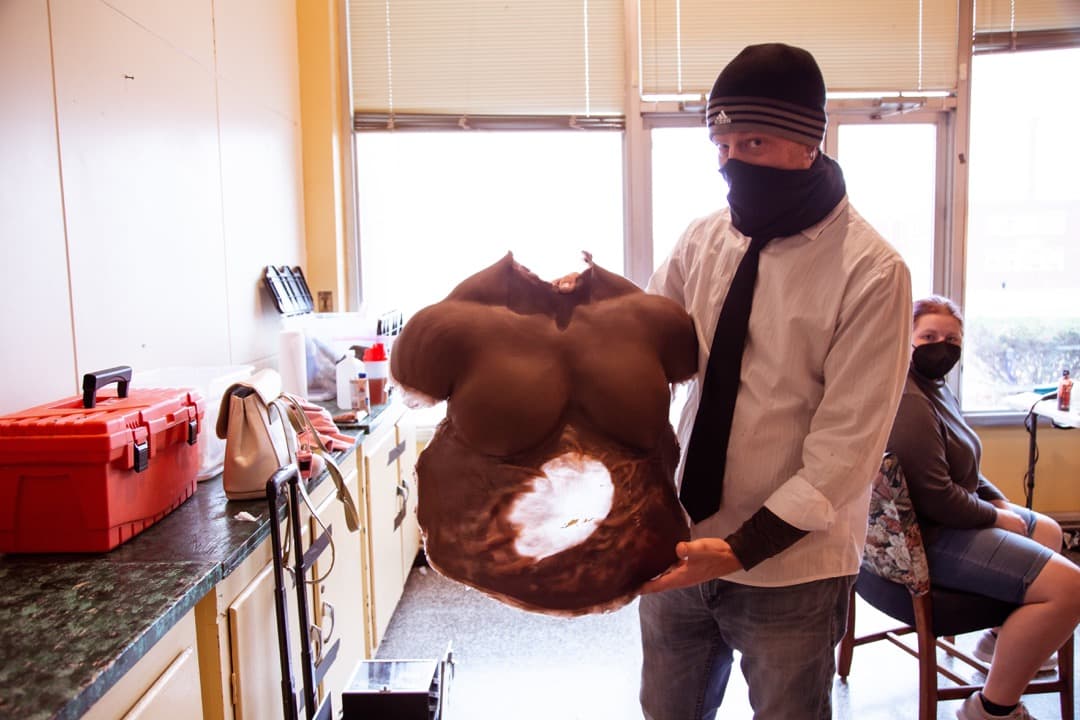
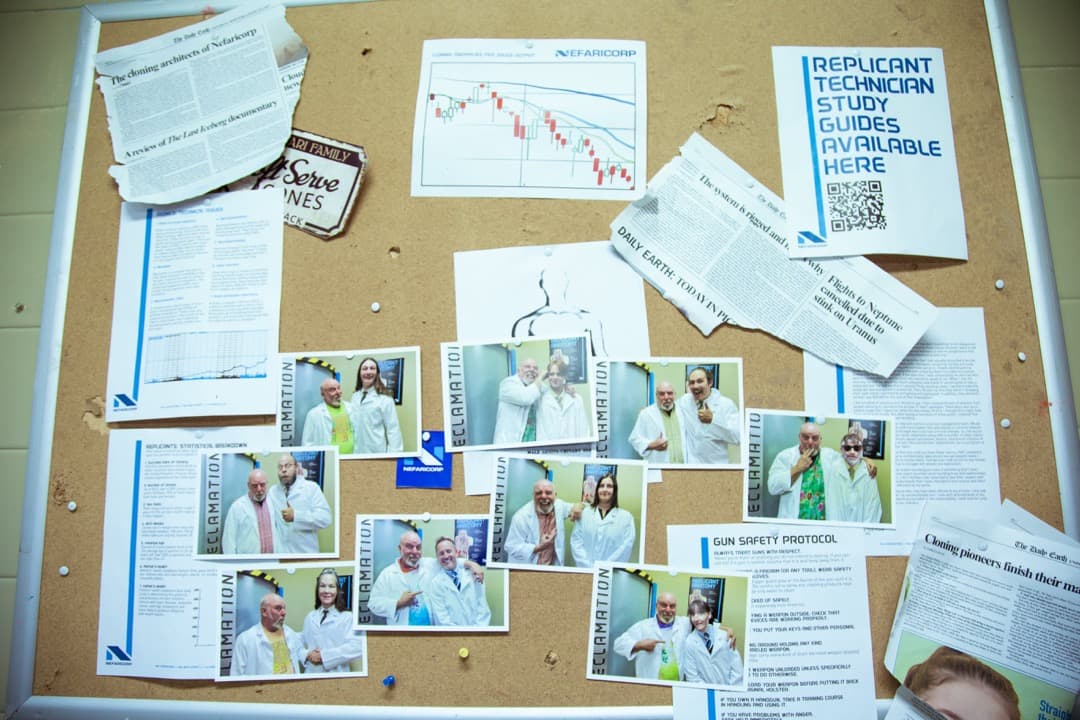
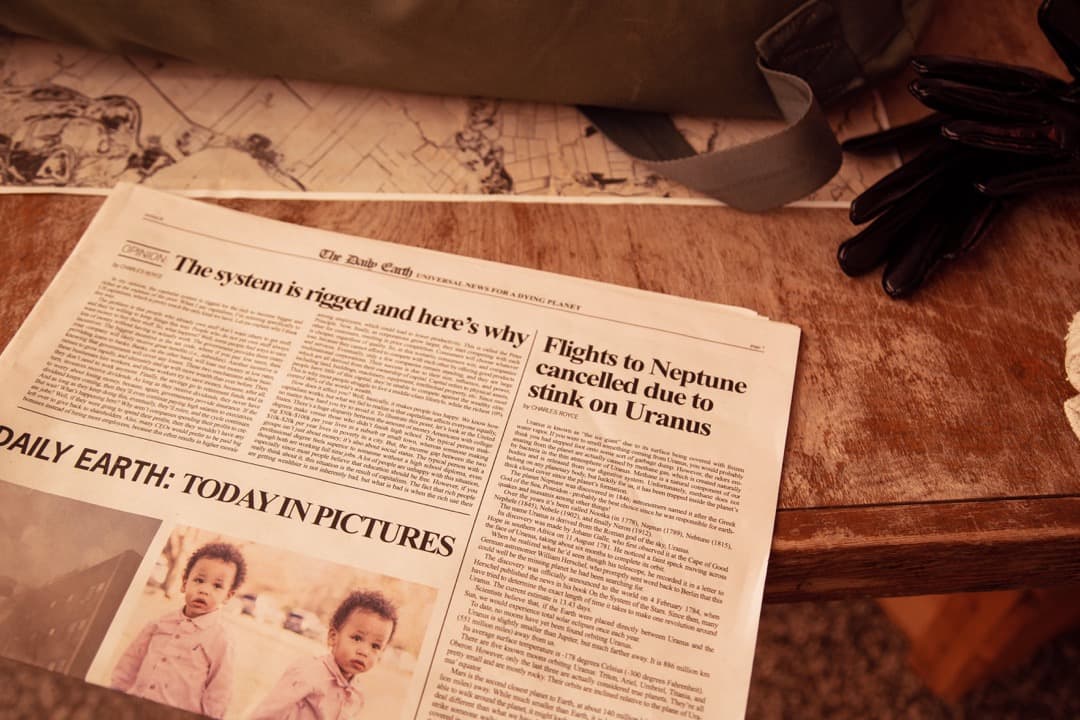
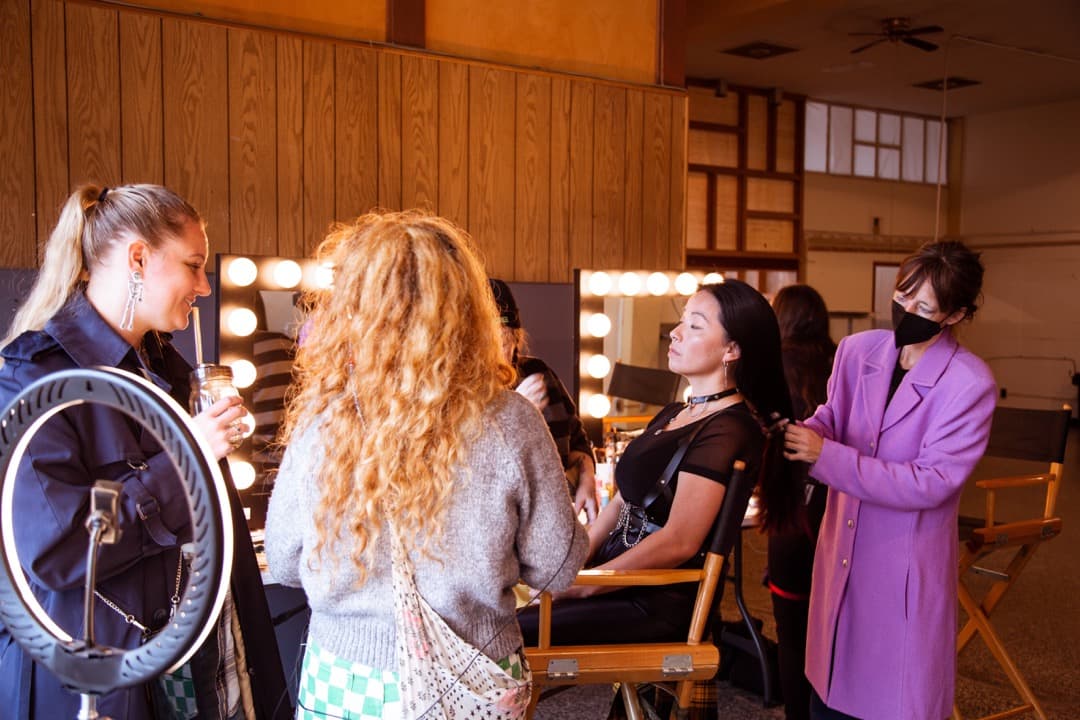
Explore exclusive behind-the-scenes photos from the production of CLONE COPS. See the cast and crew at work, on-set moments, and candid production shots.

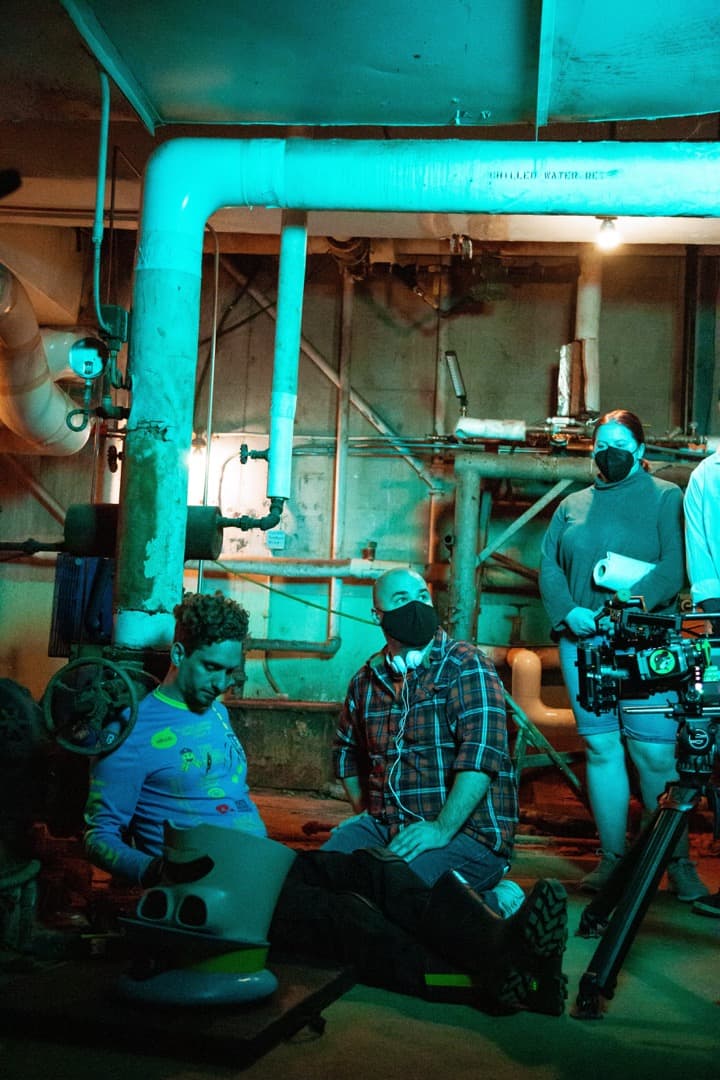

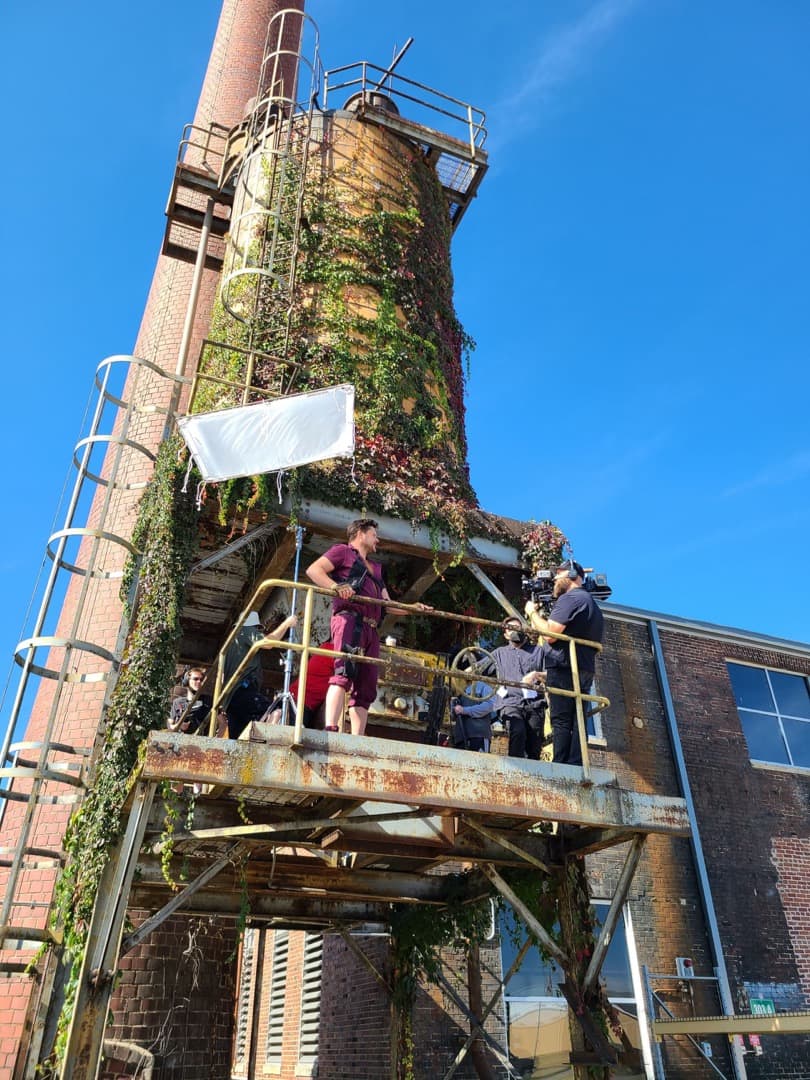

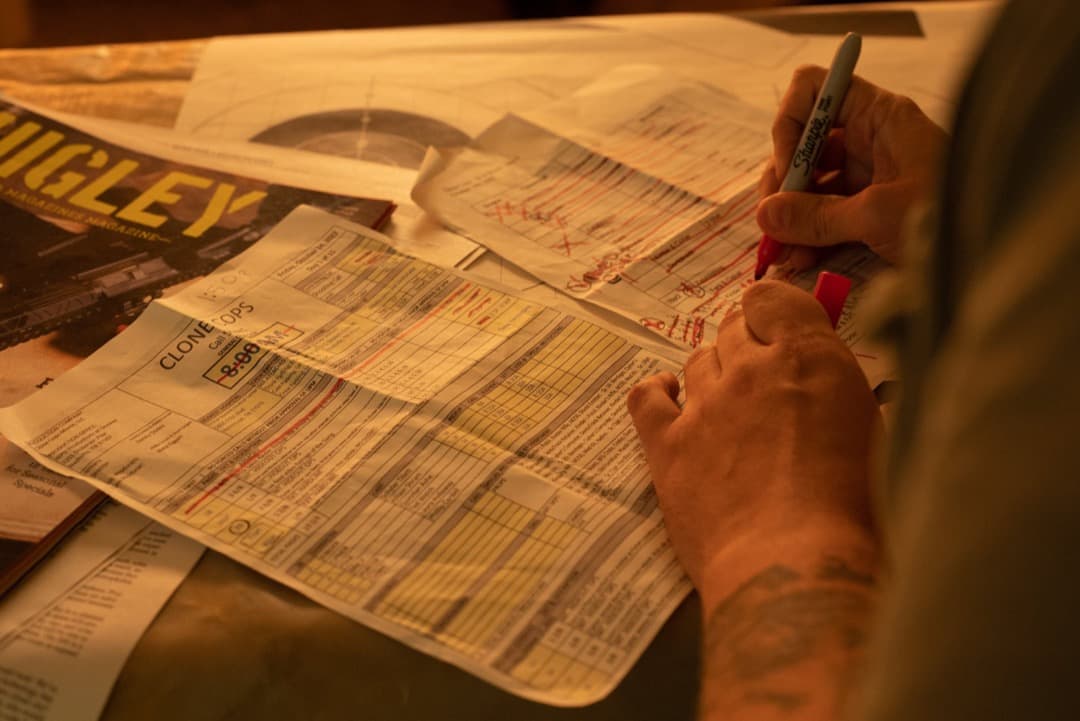


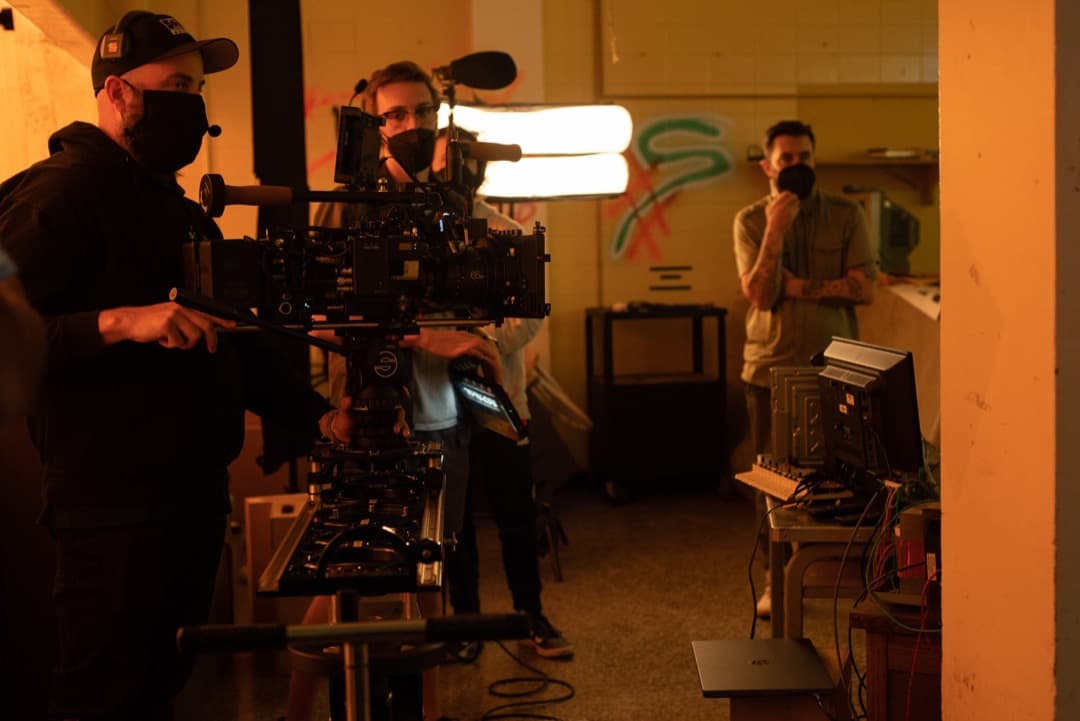
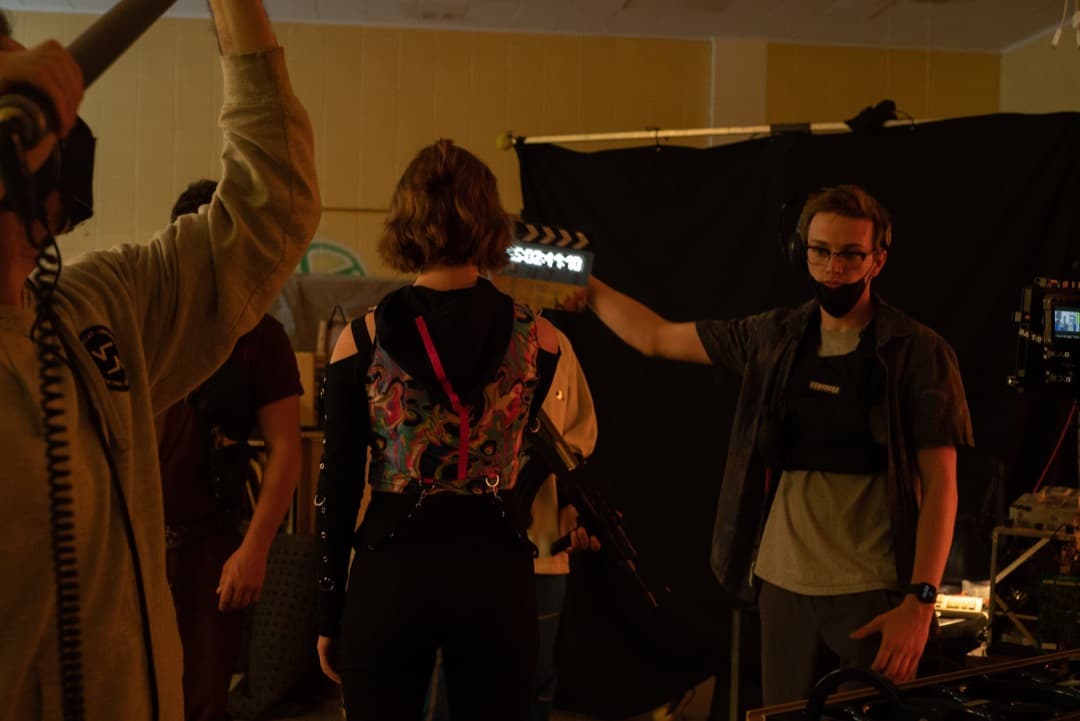
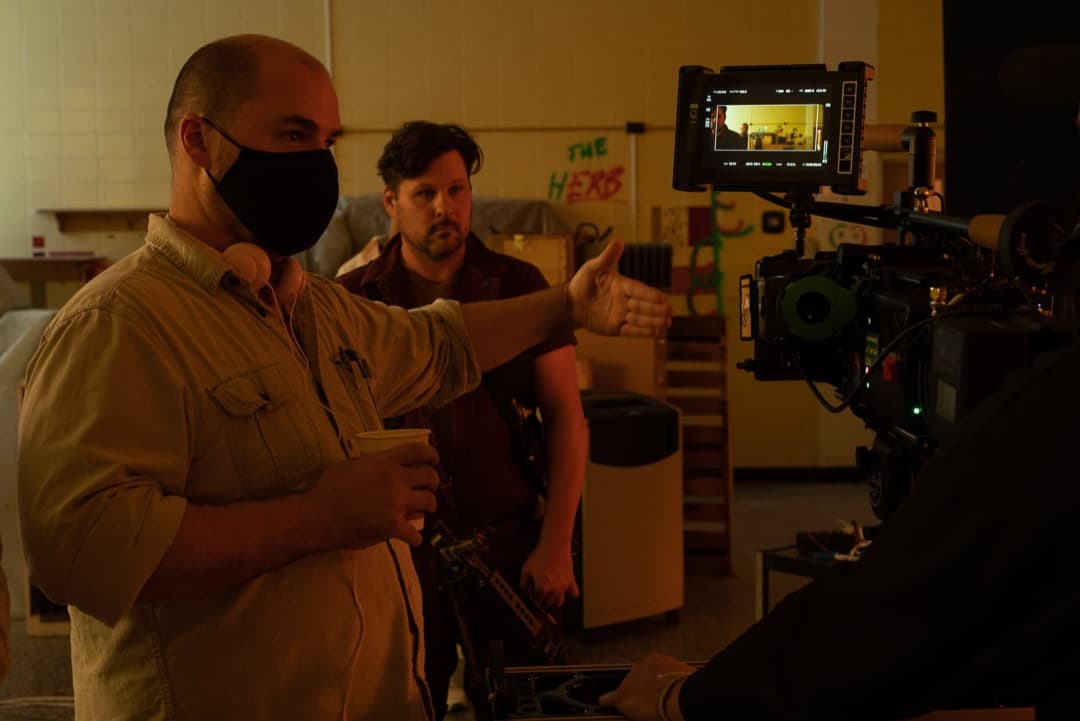

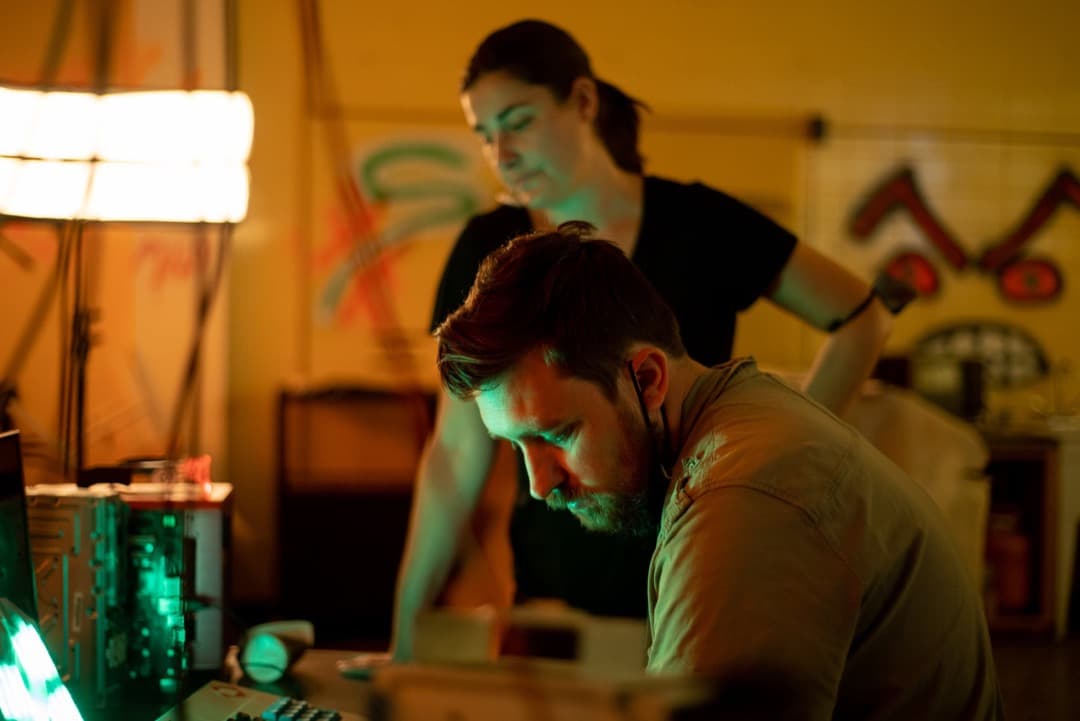

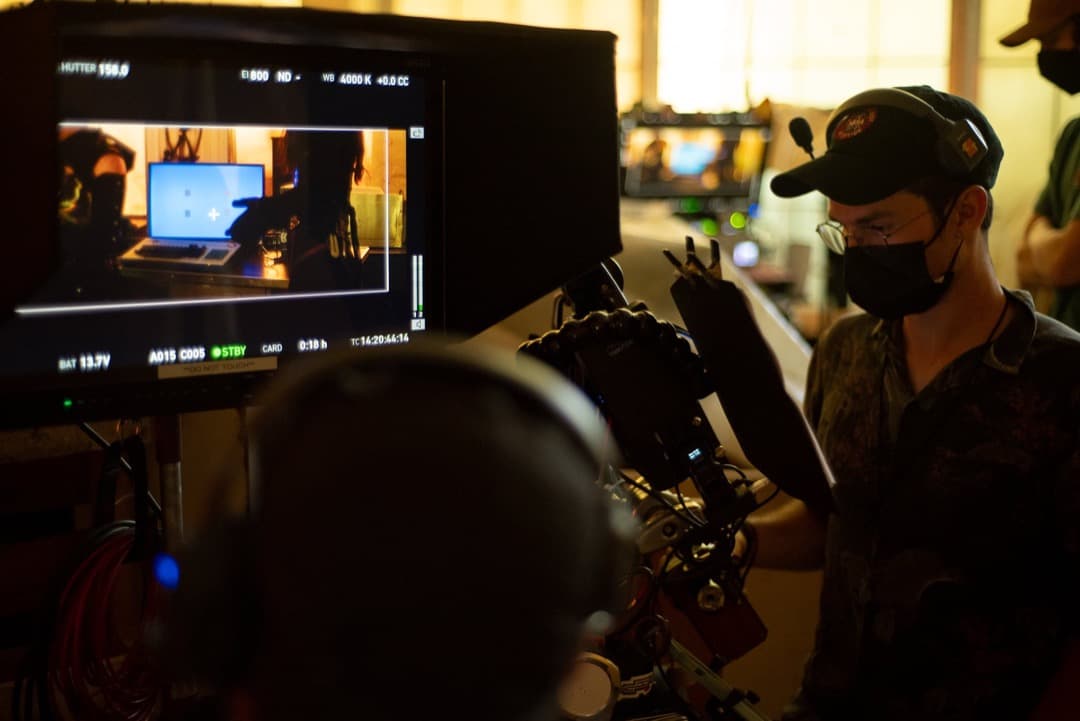
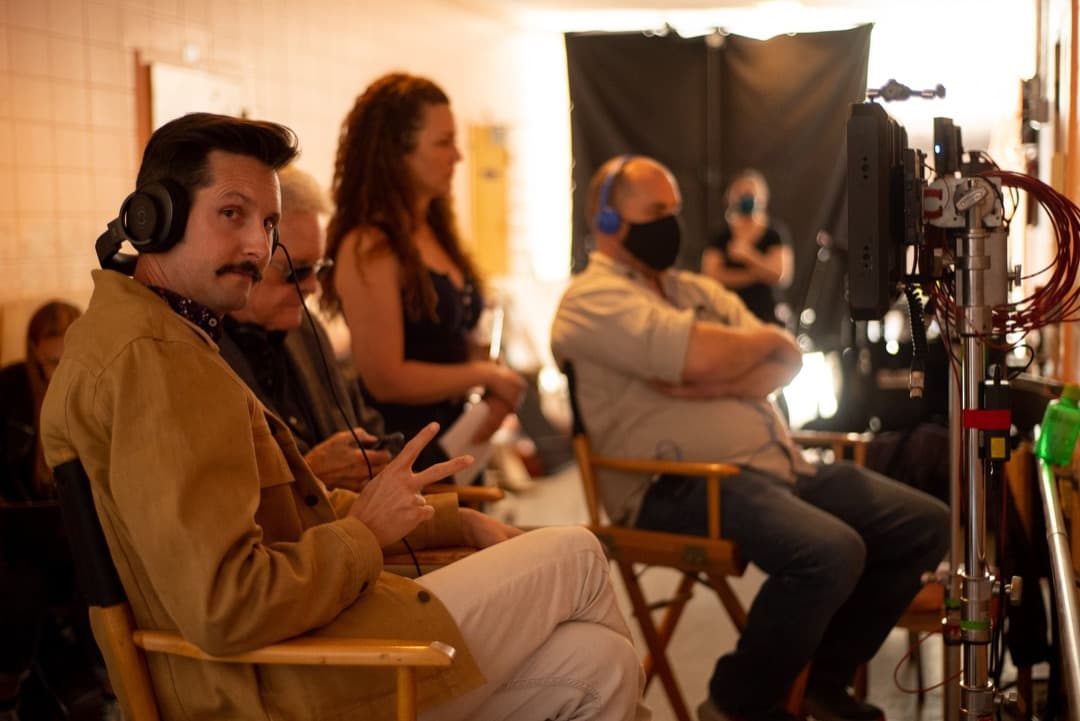
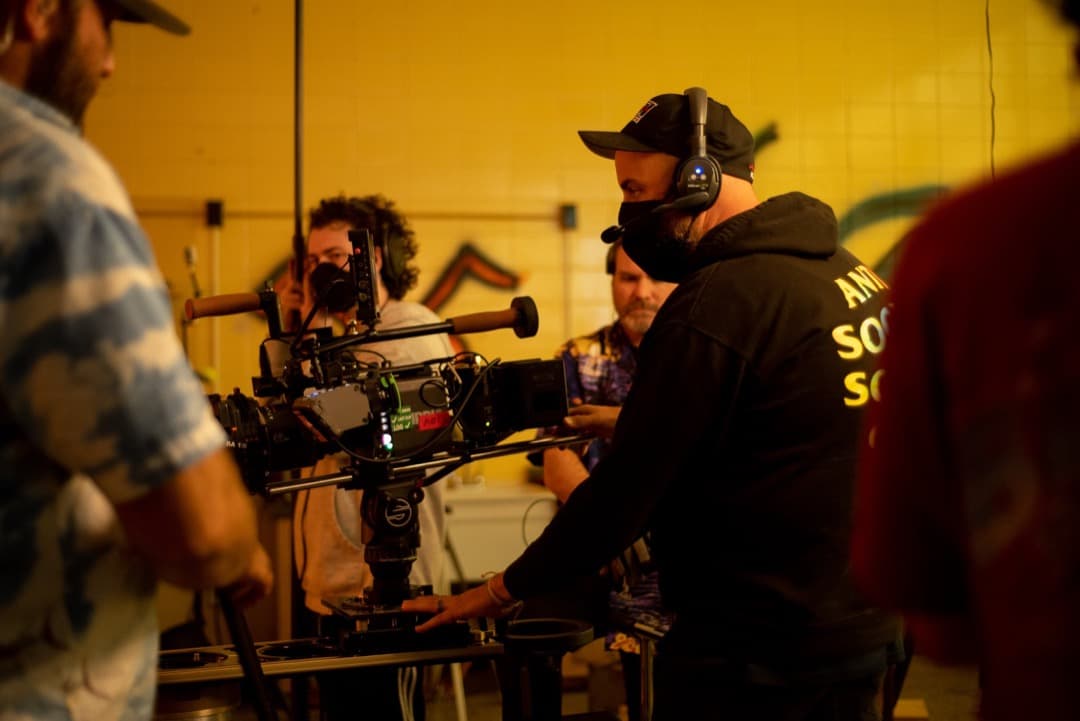
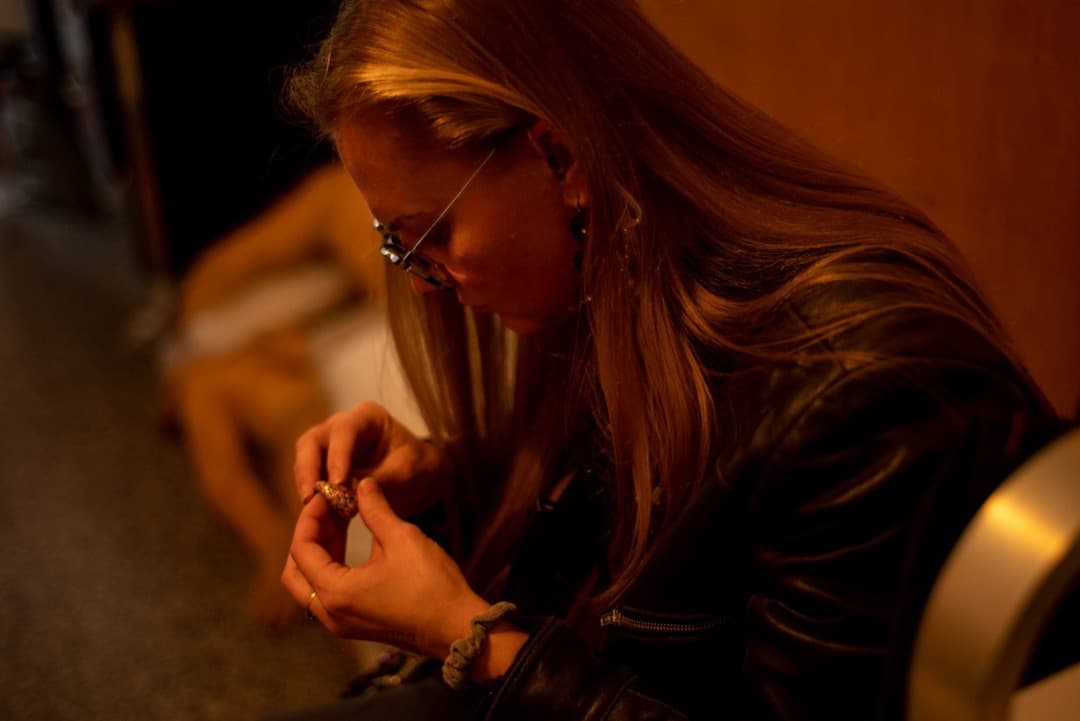
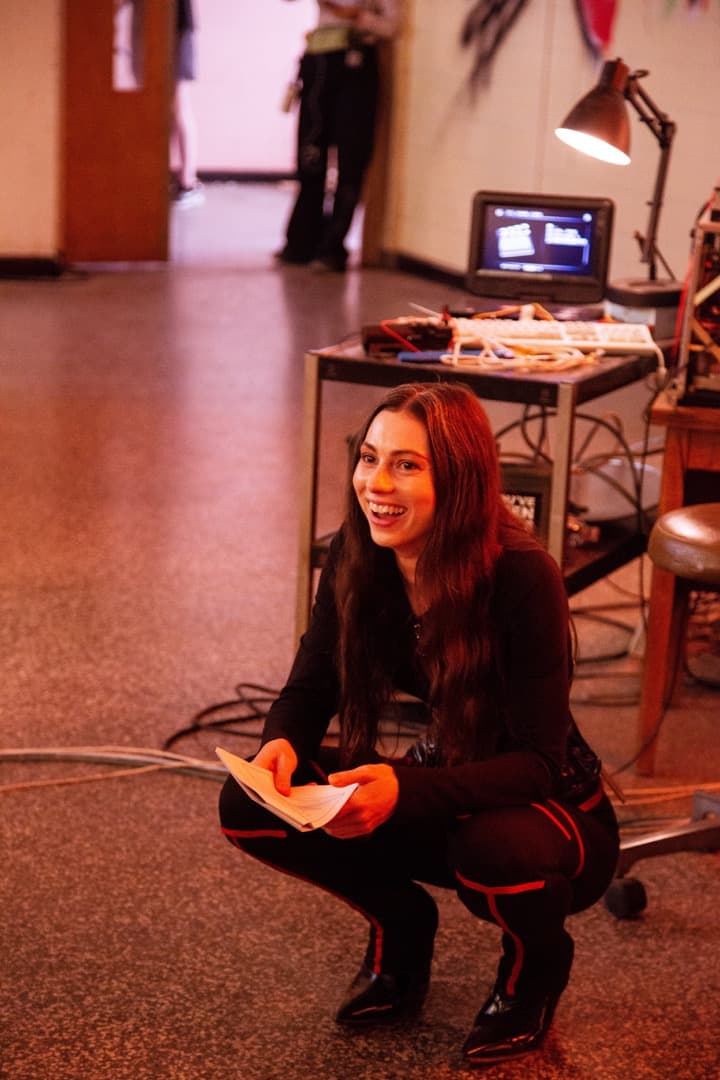
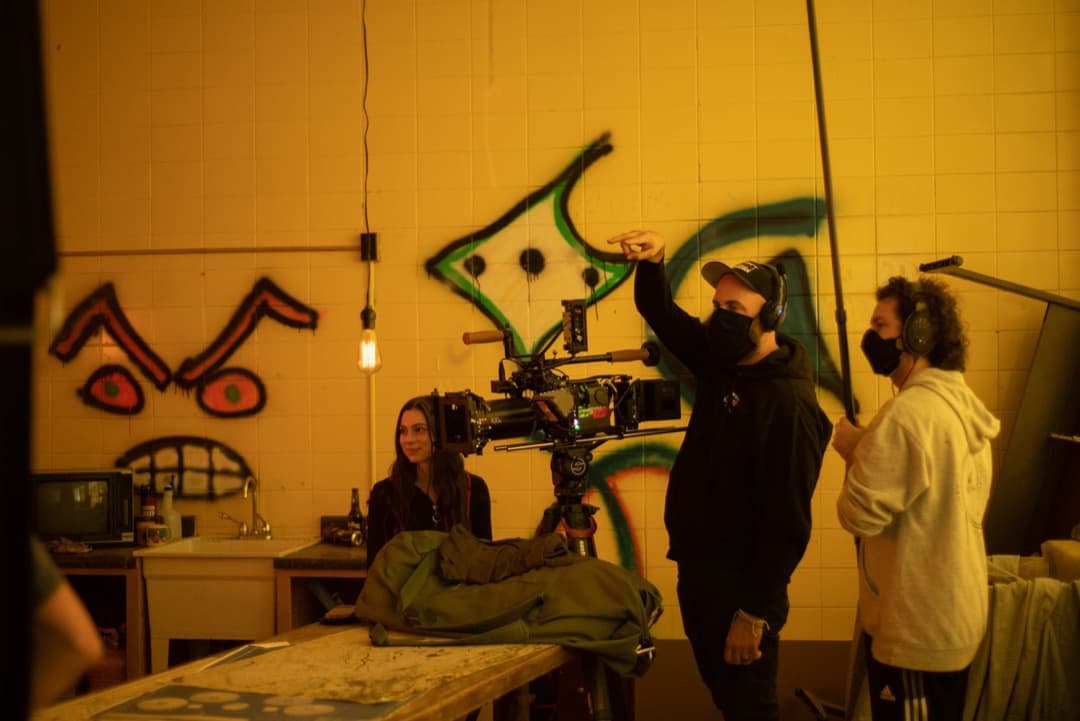

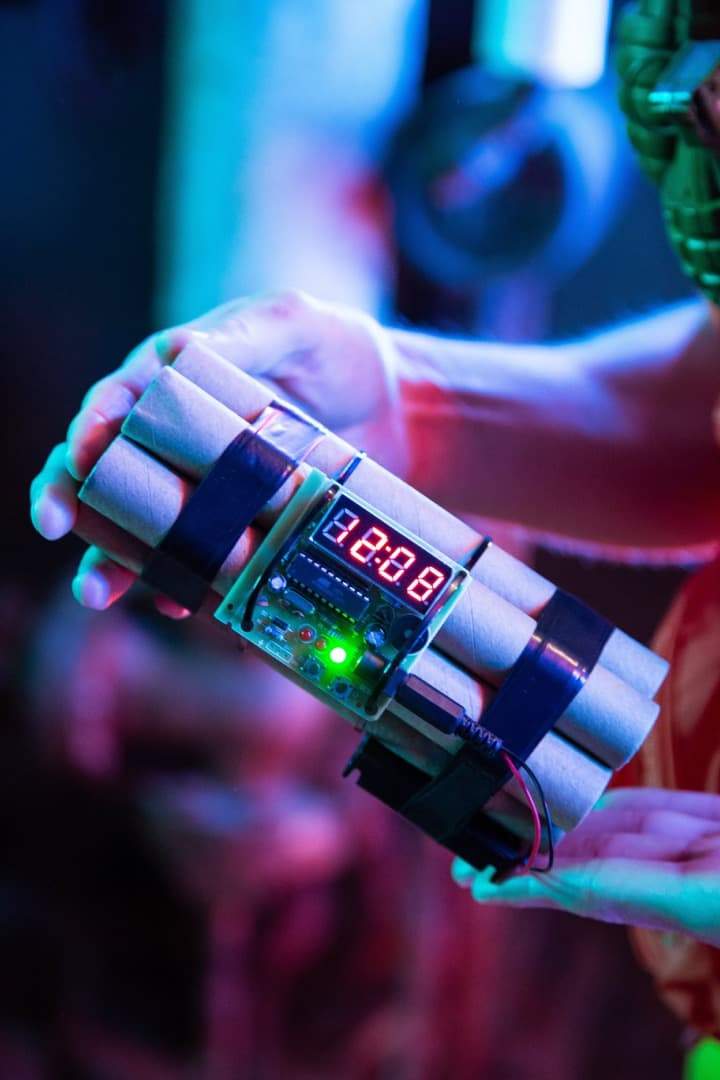
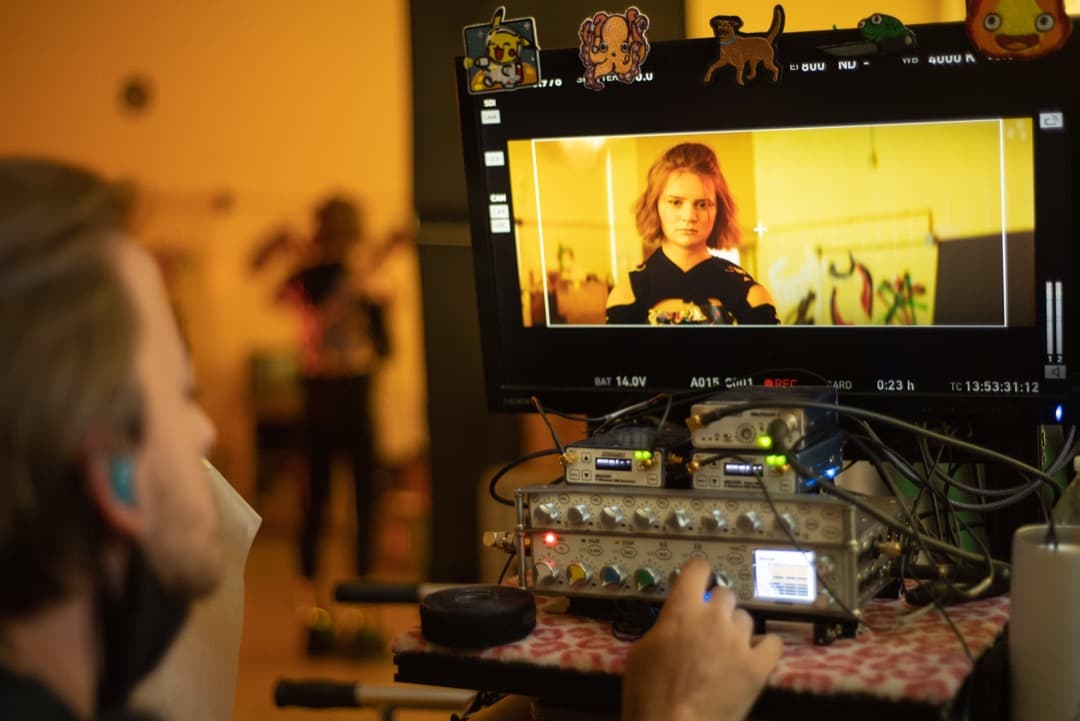
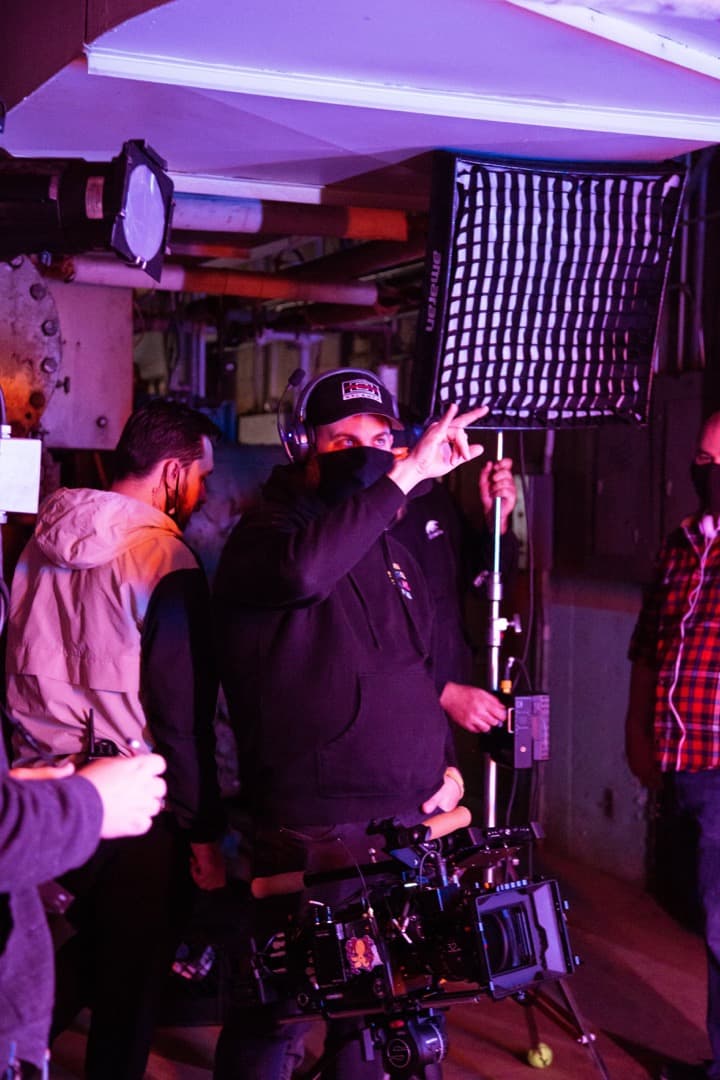
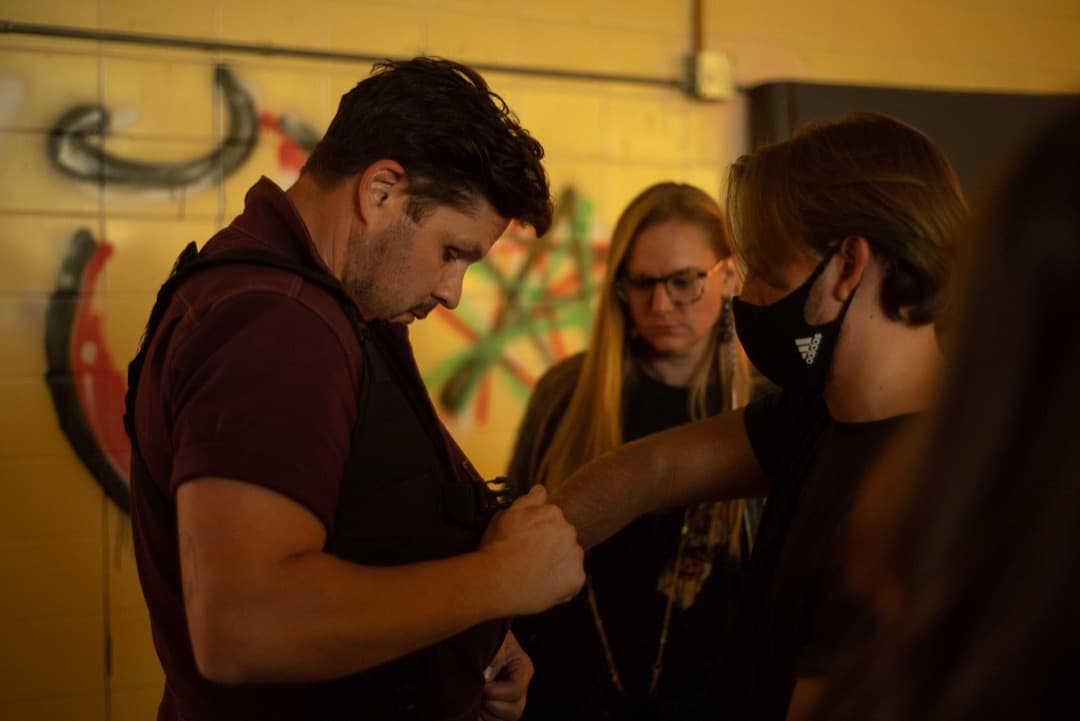

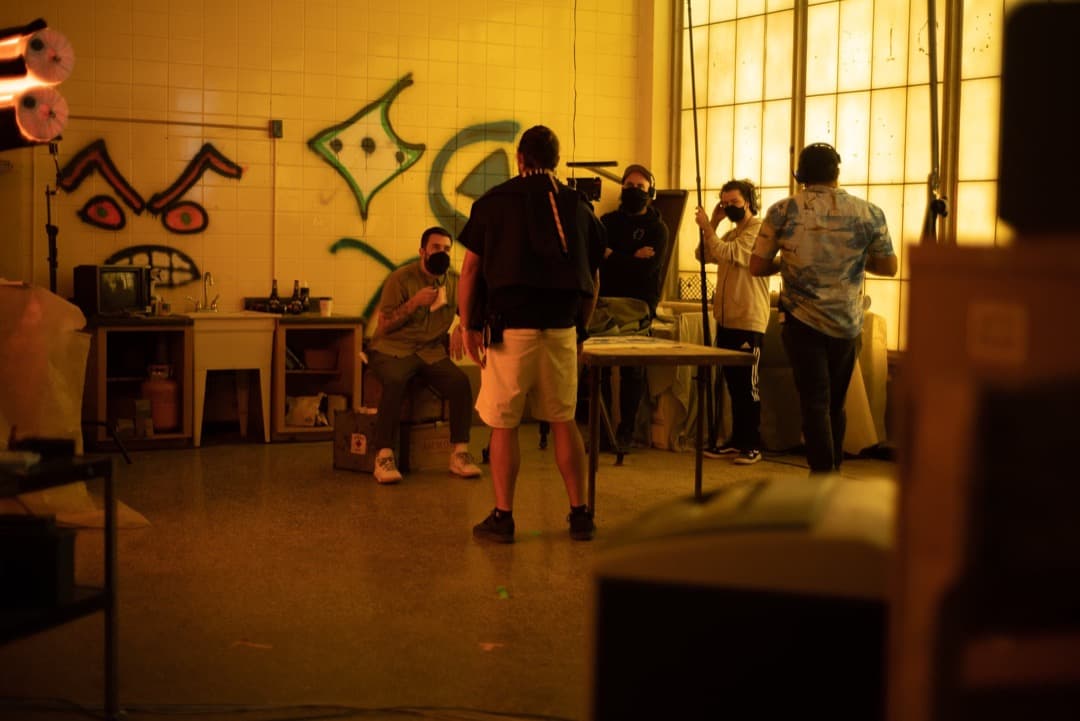
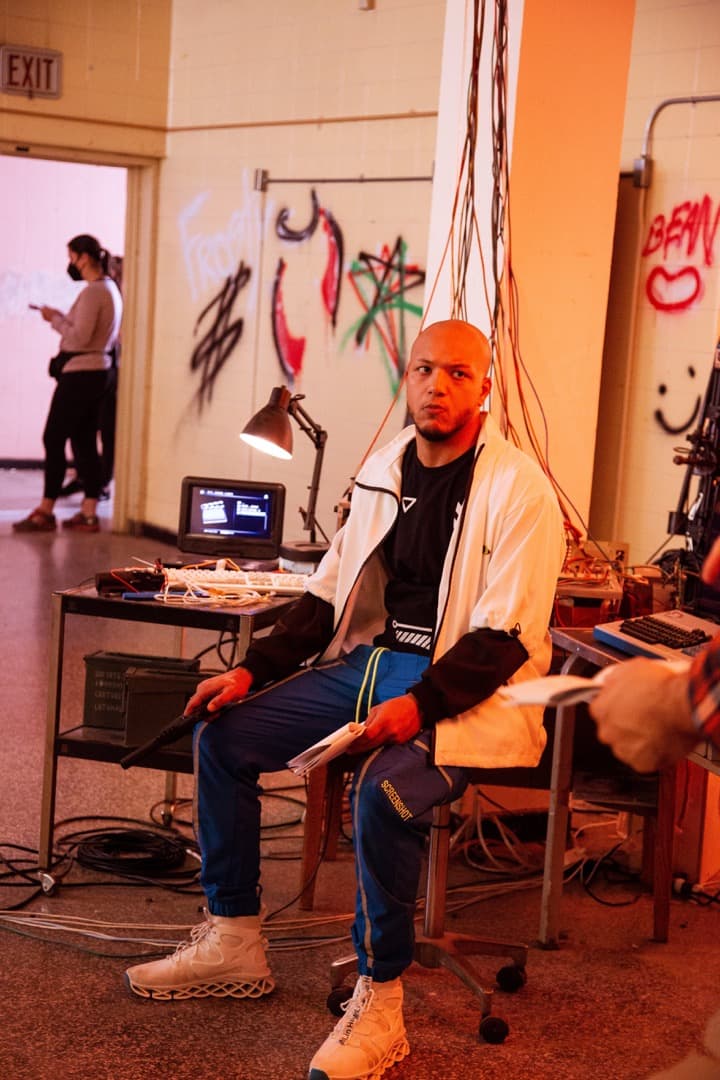


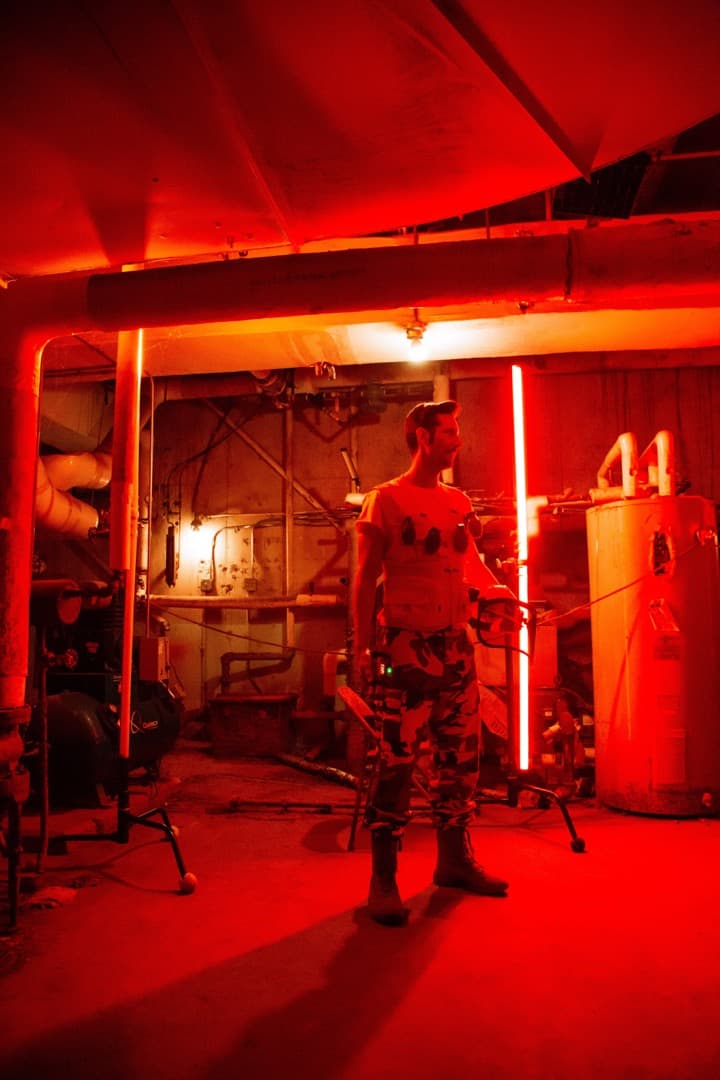
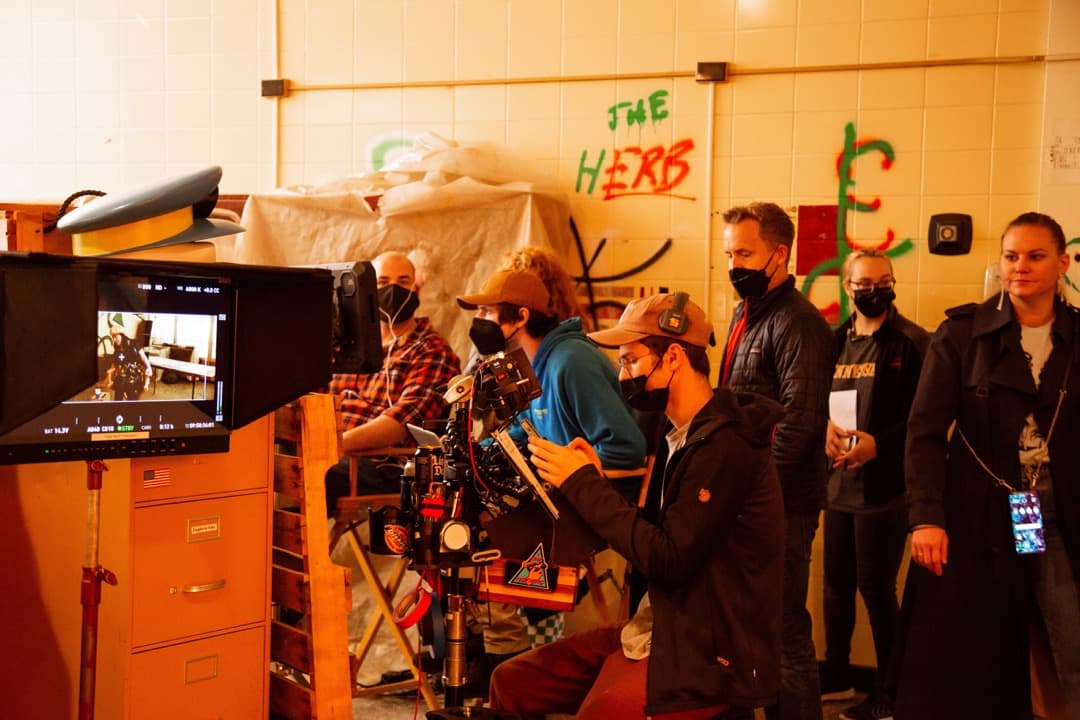


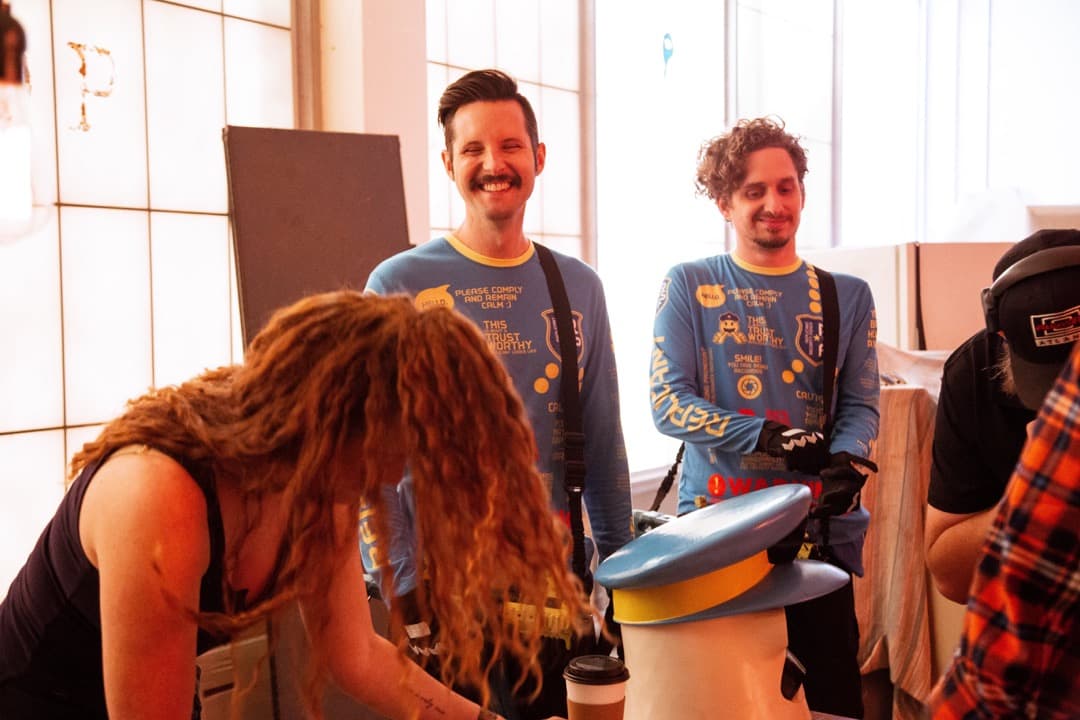


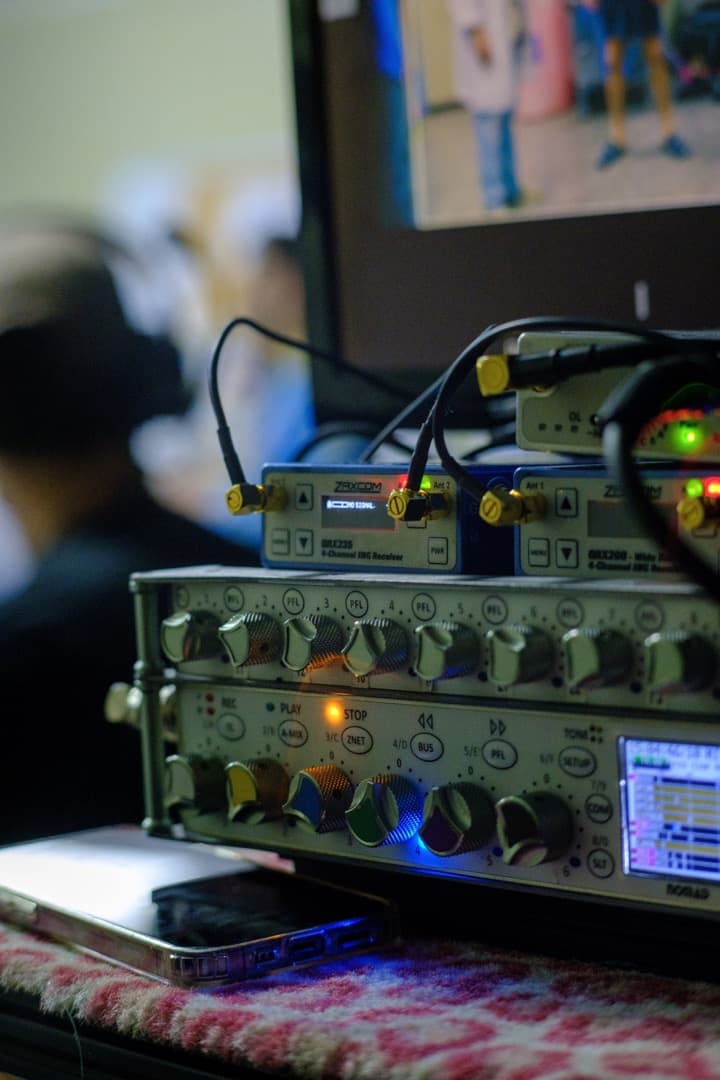
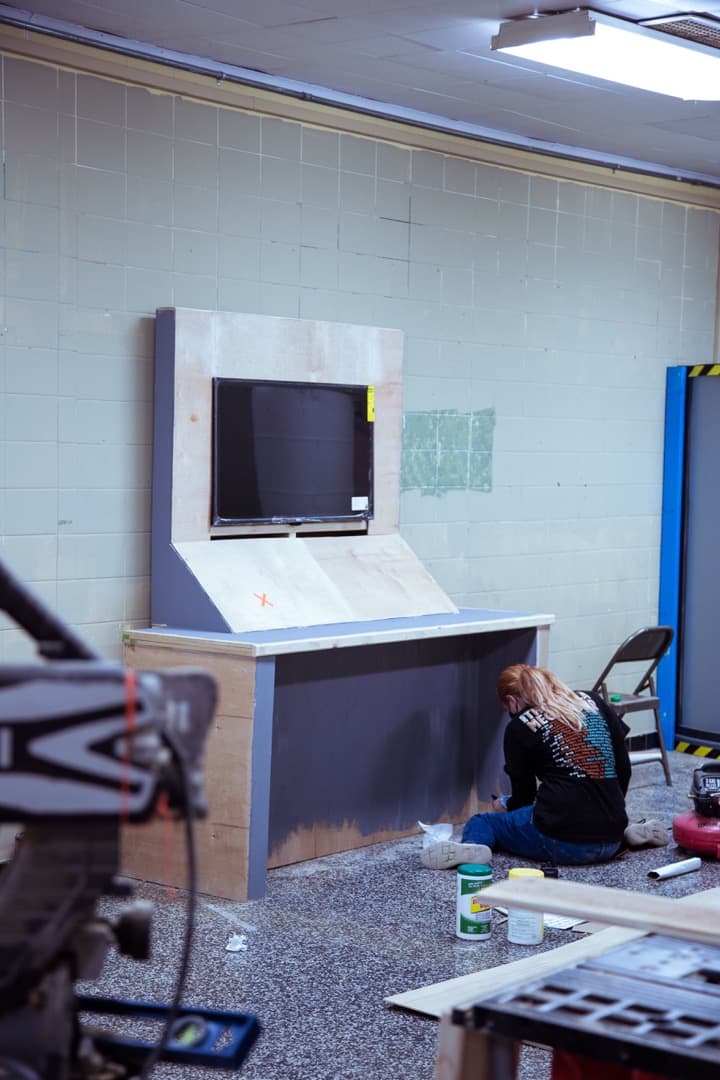
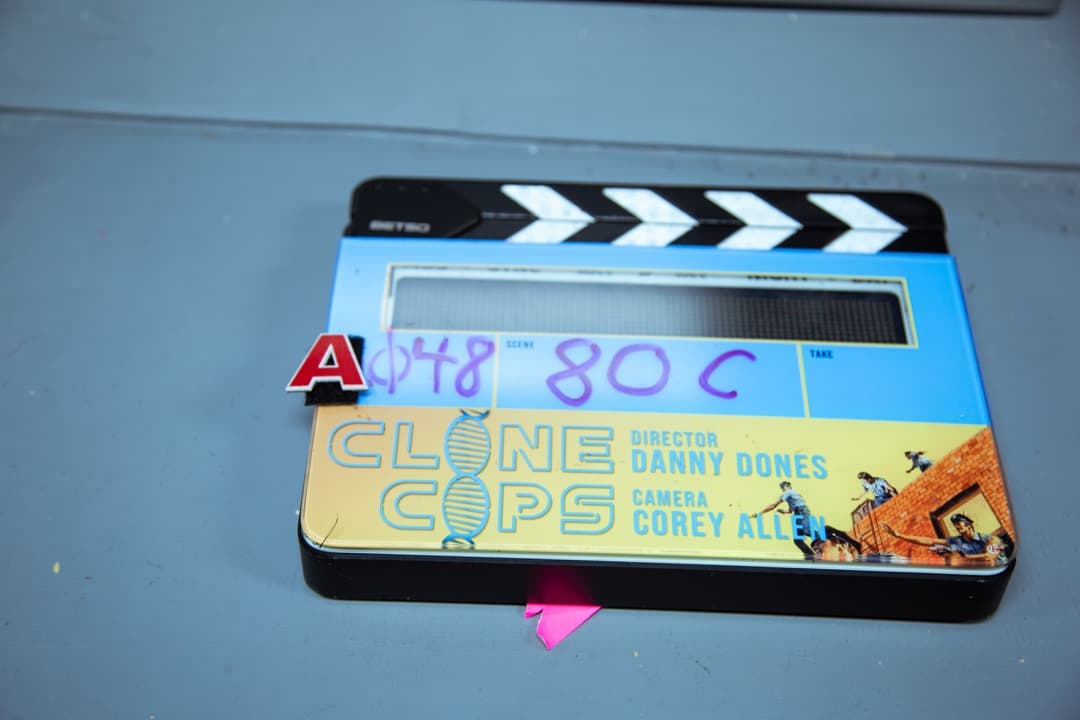
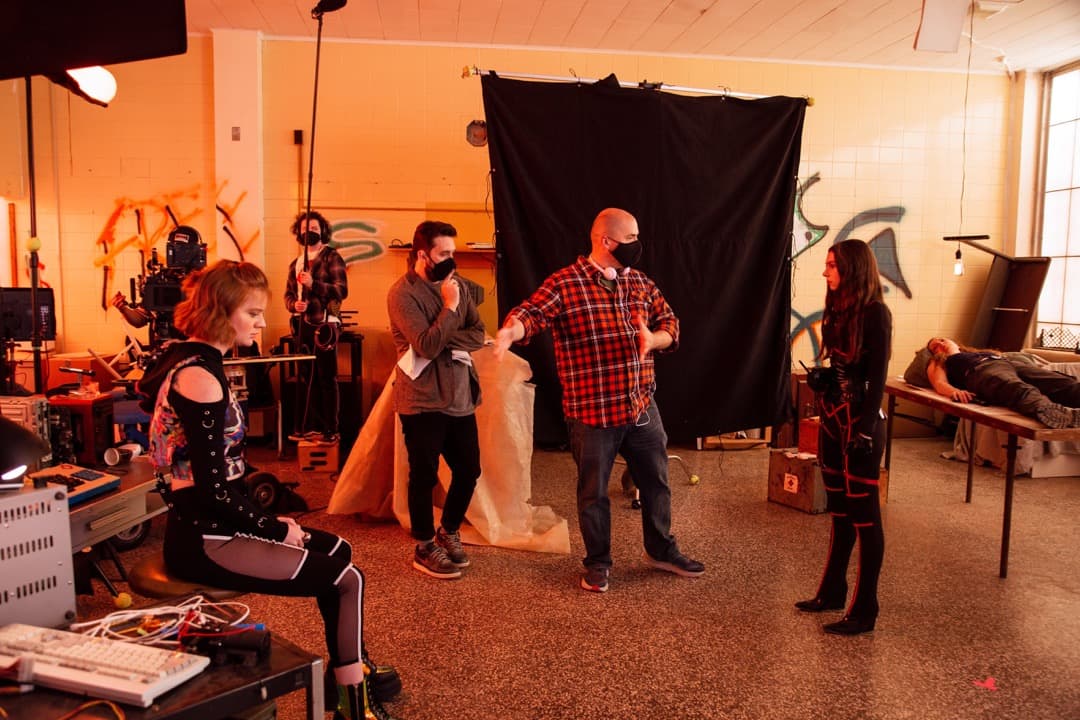
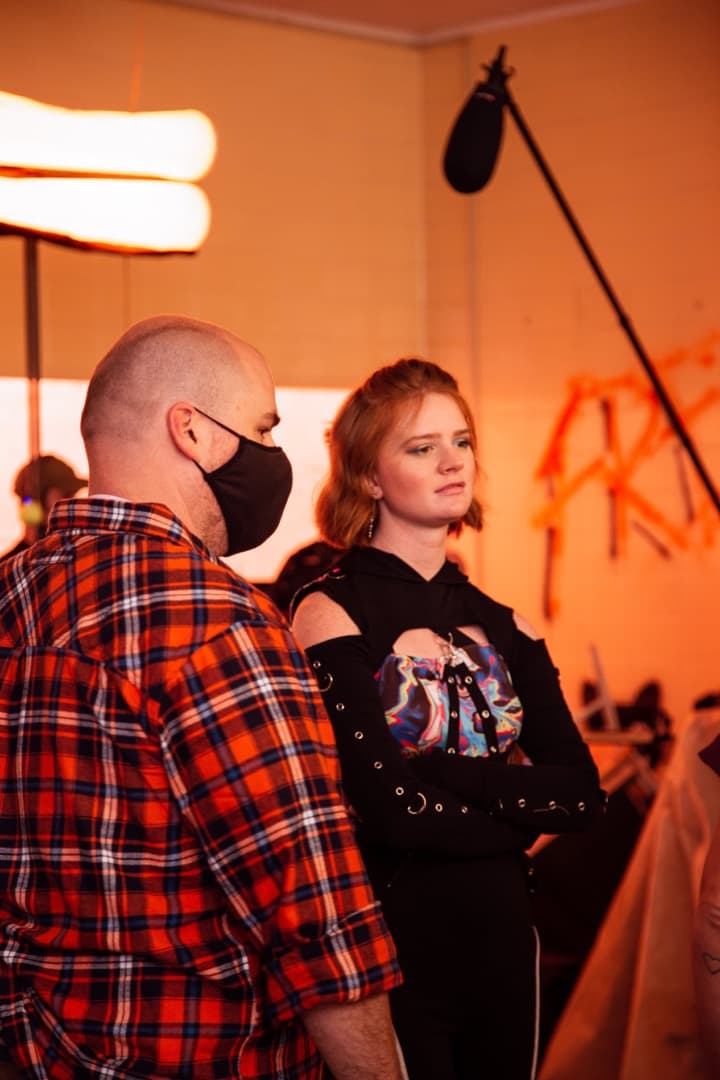
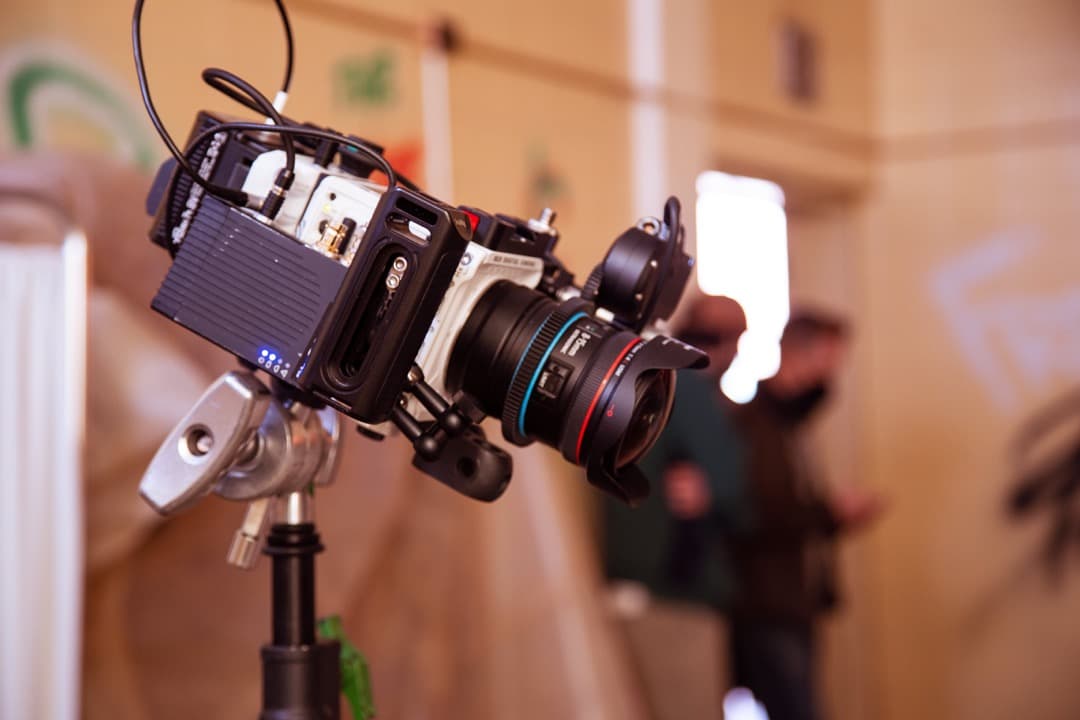
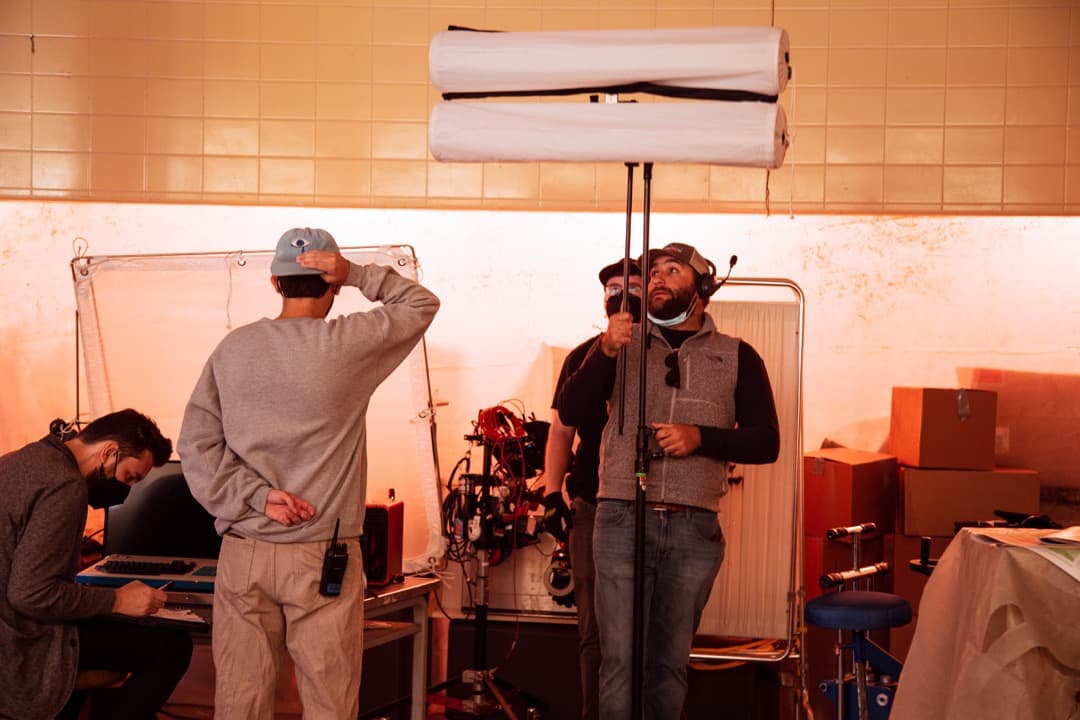
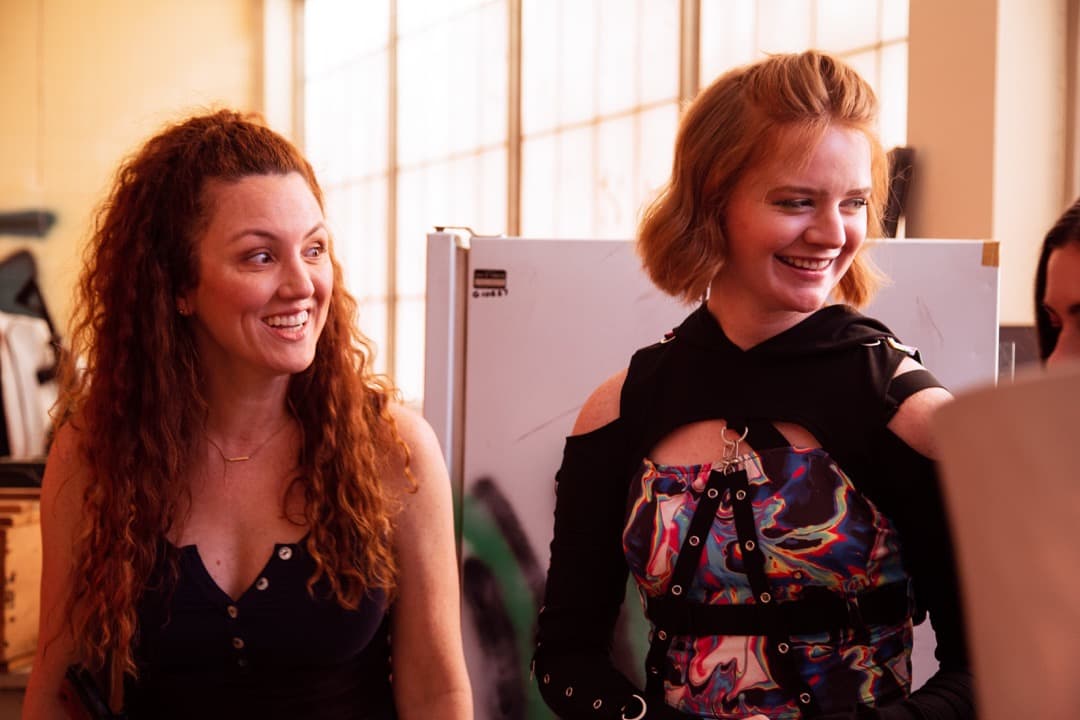

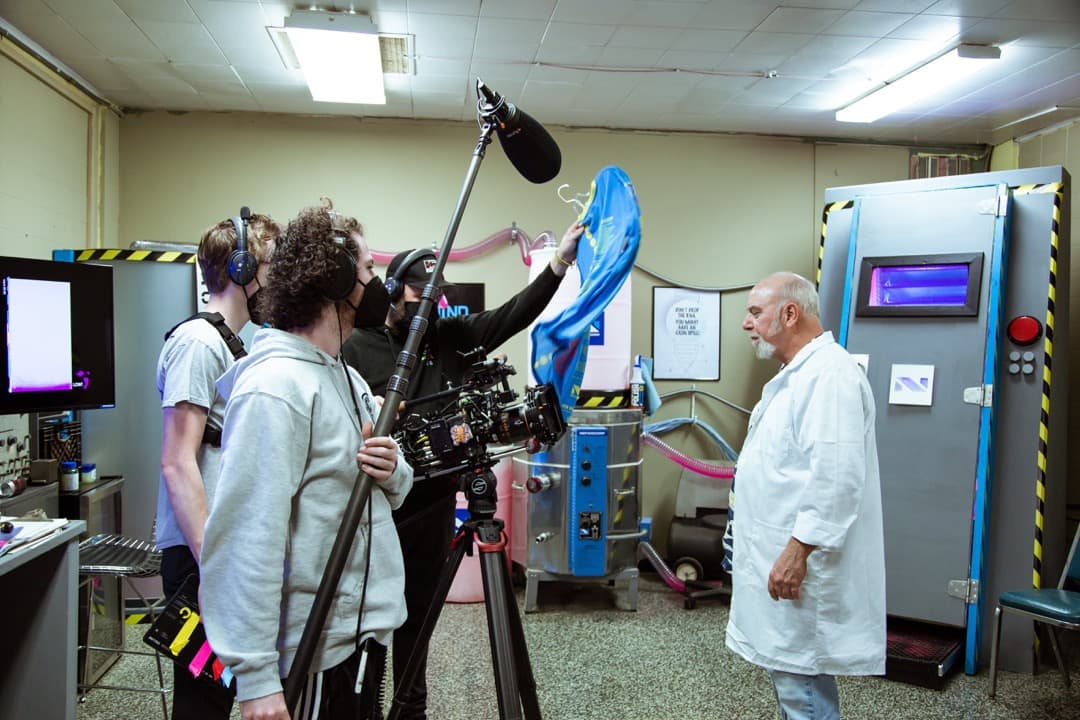
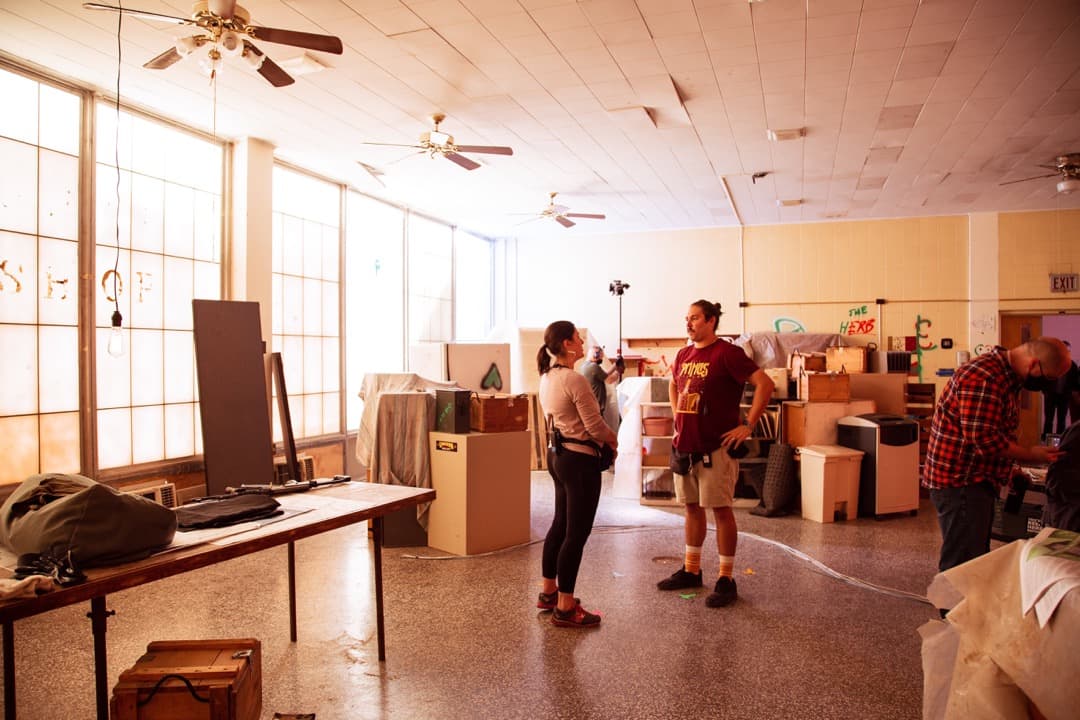
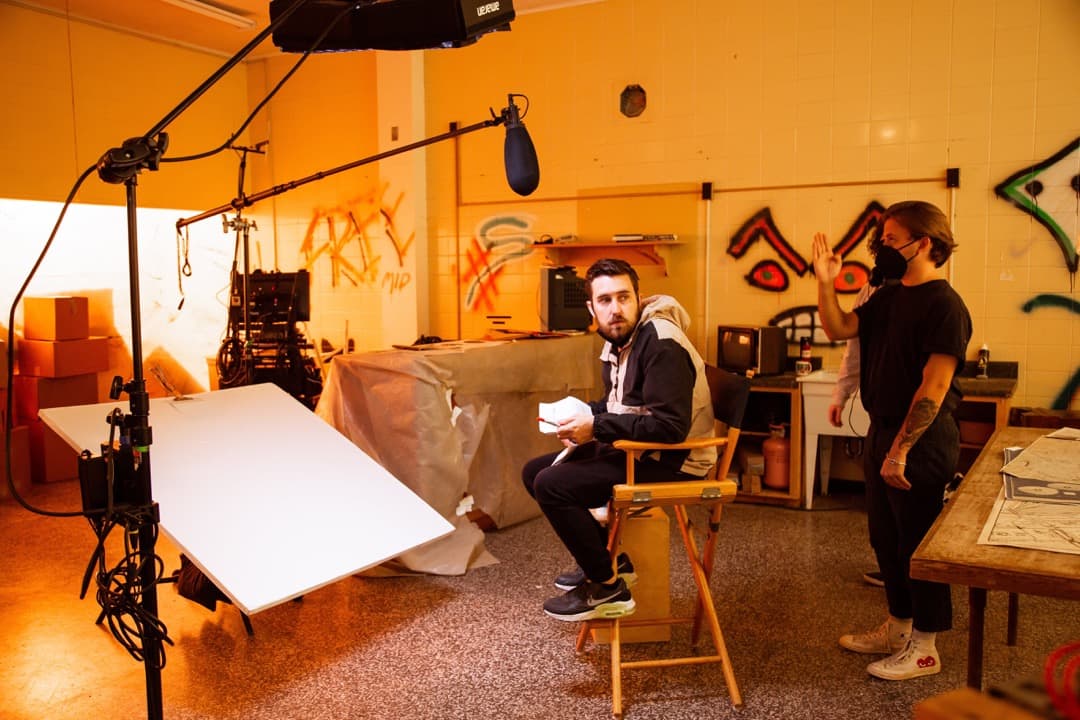
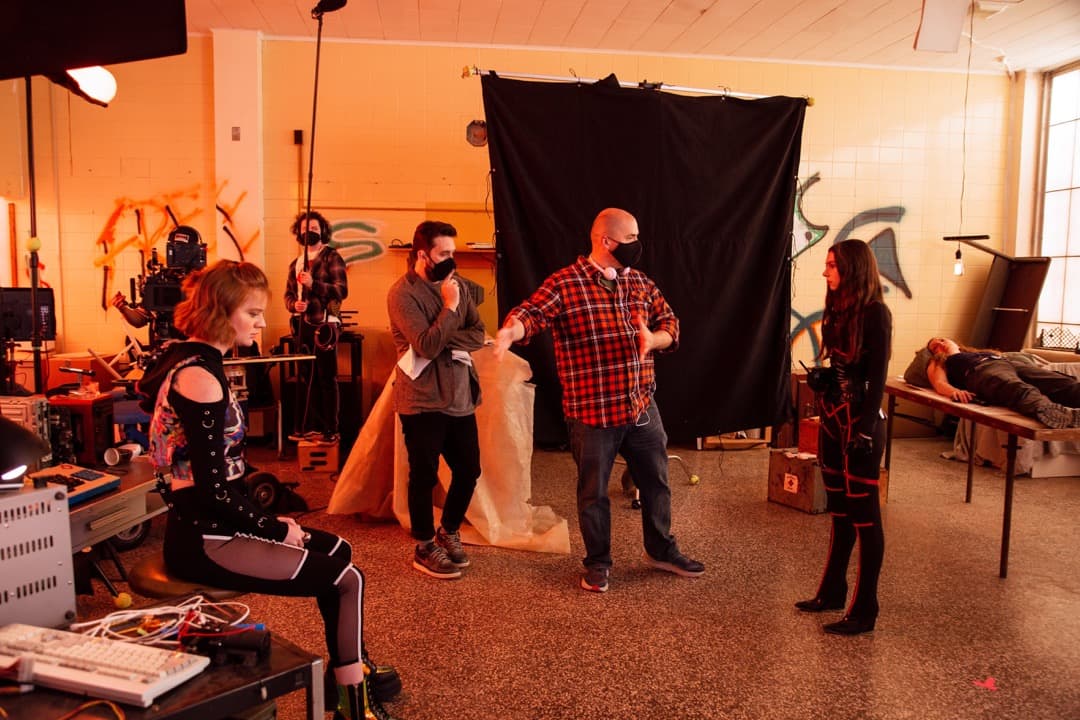
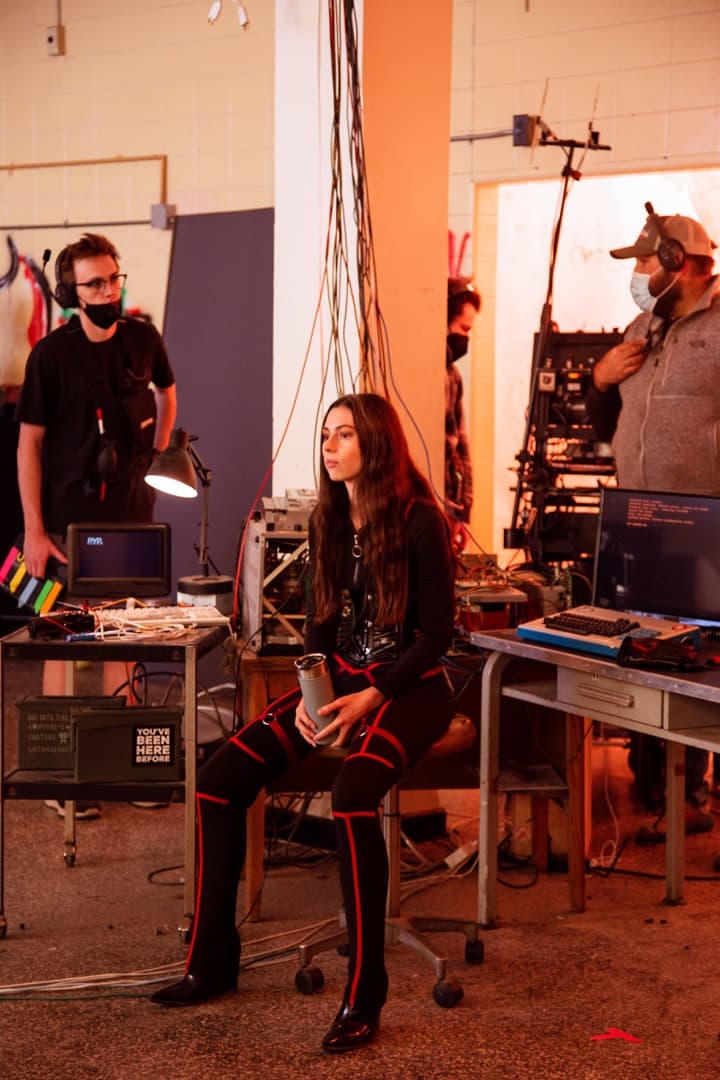
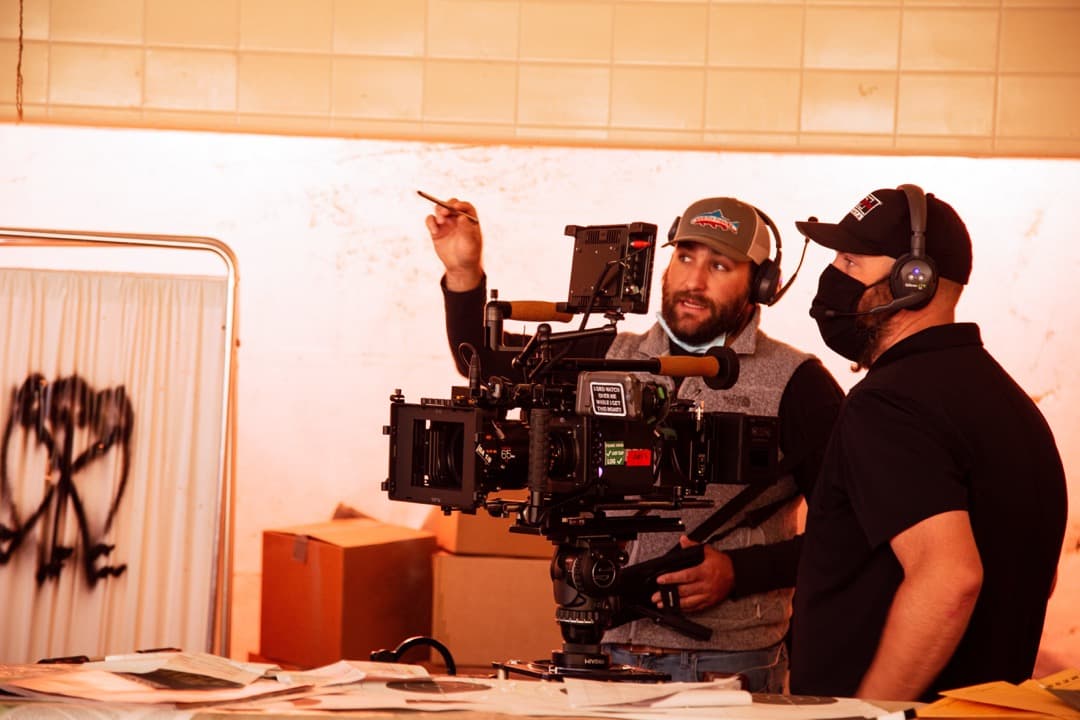
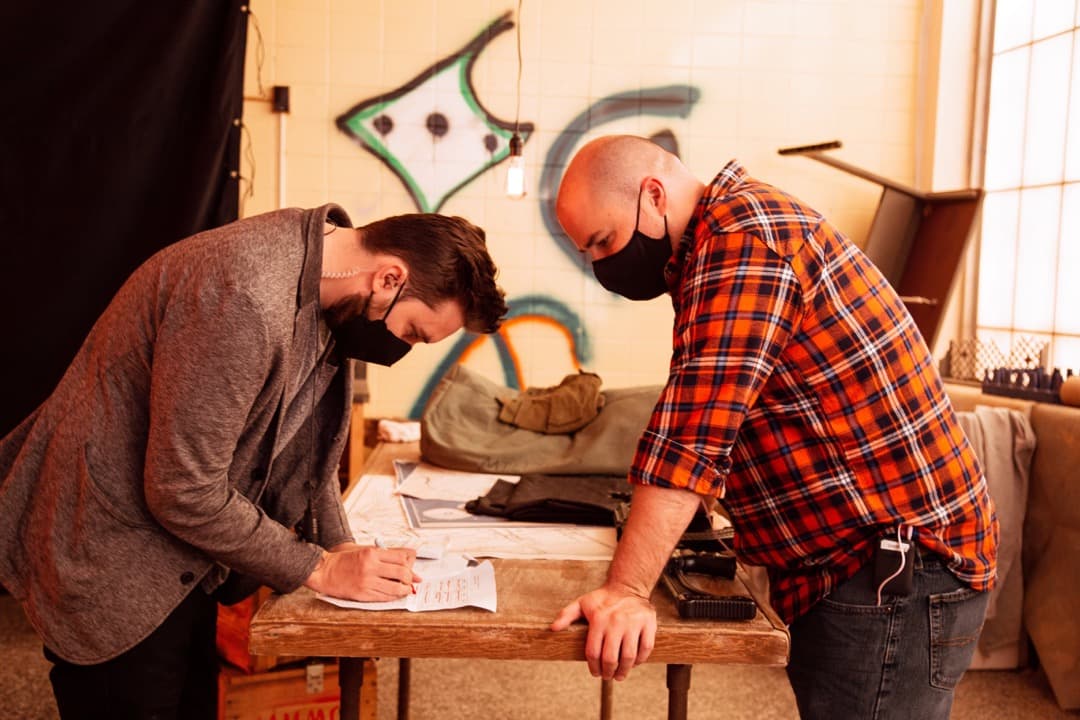
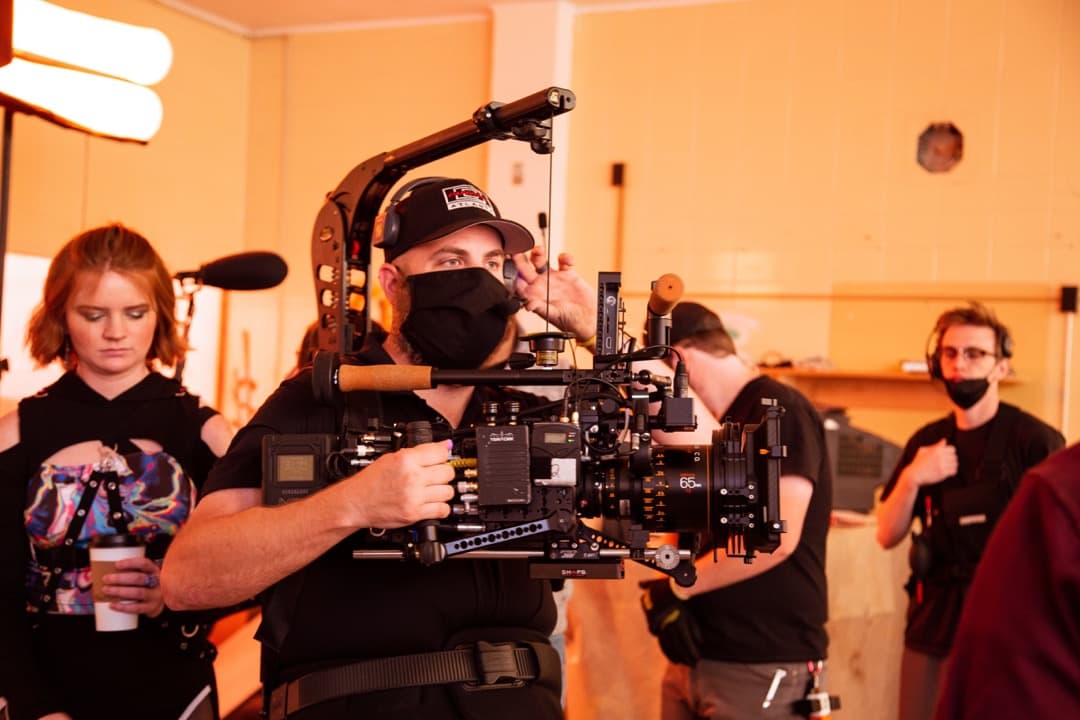


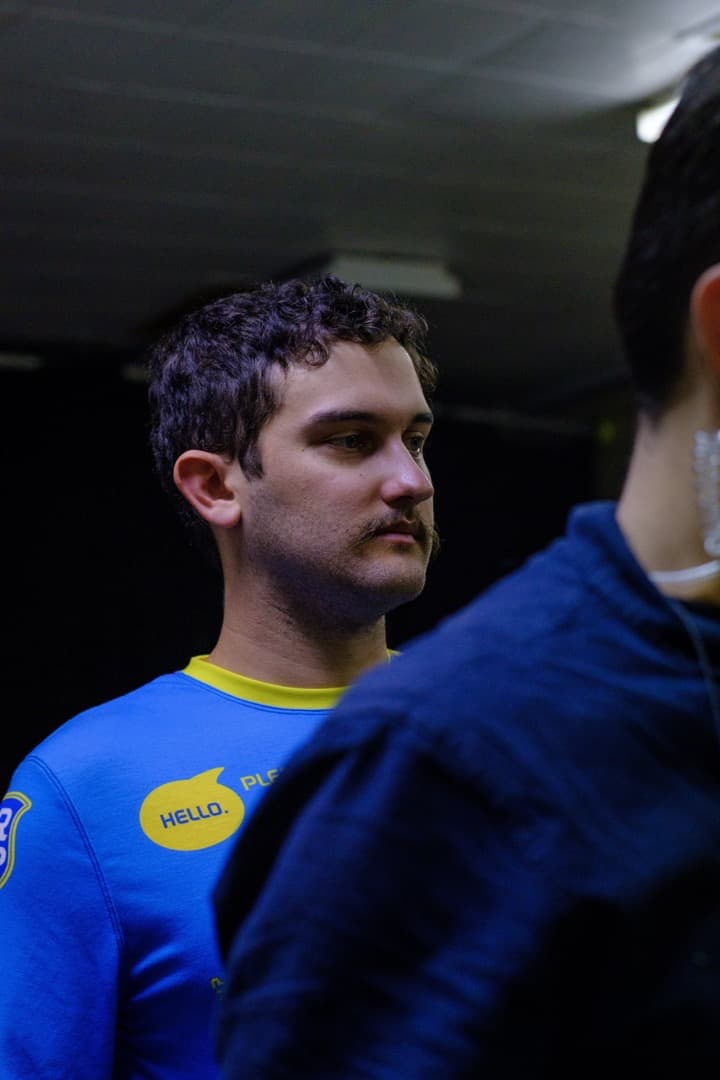
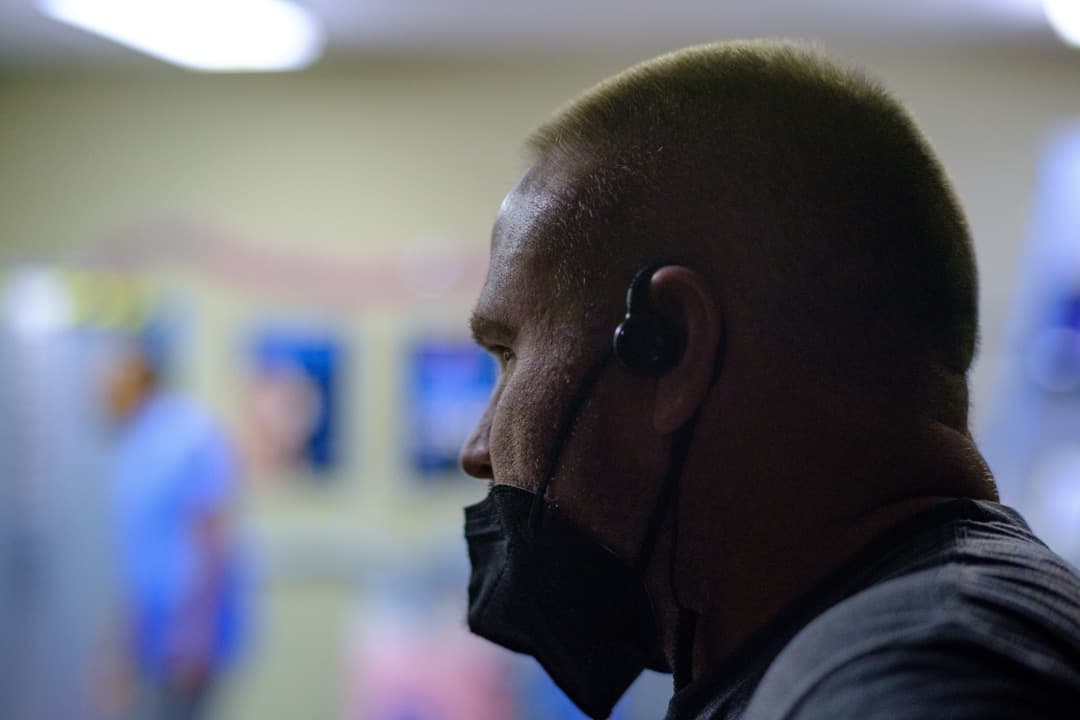
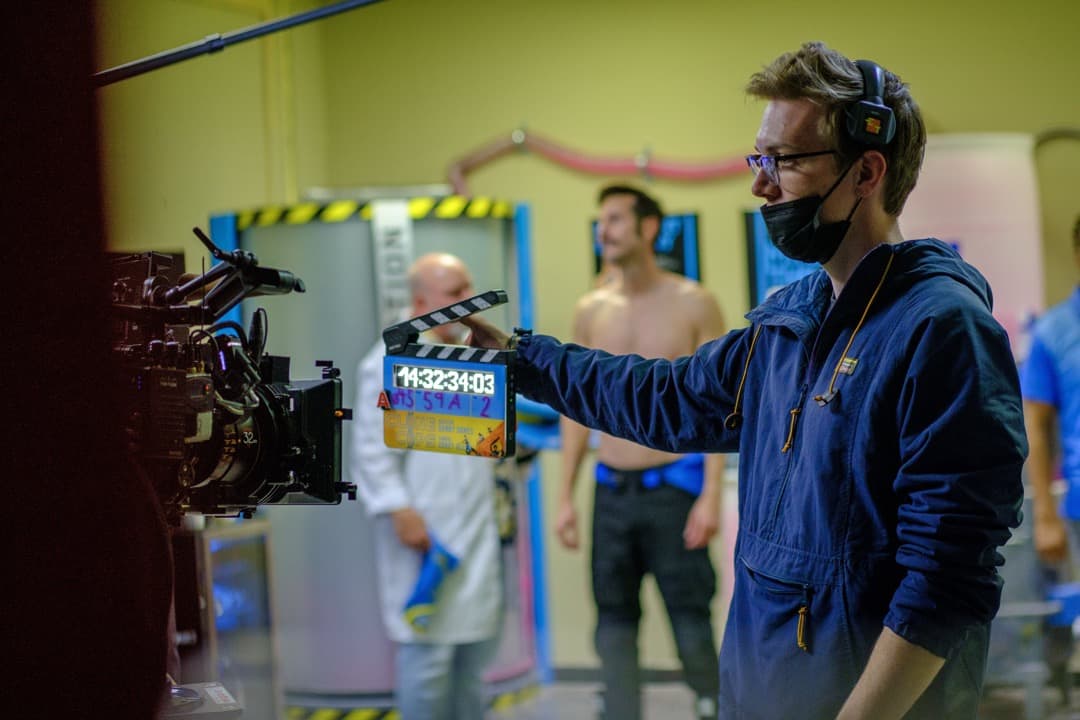
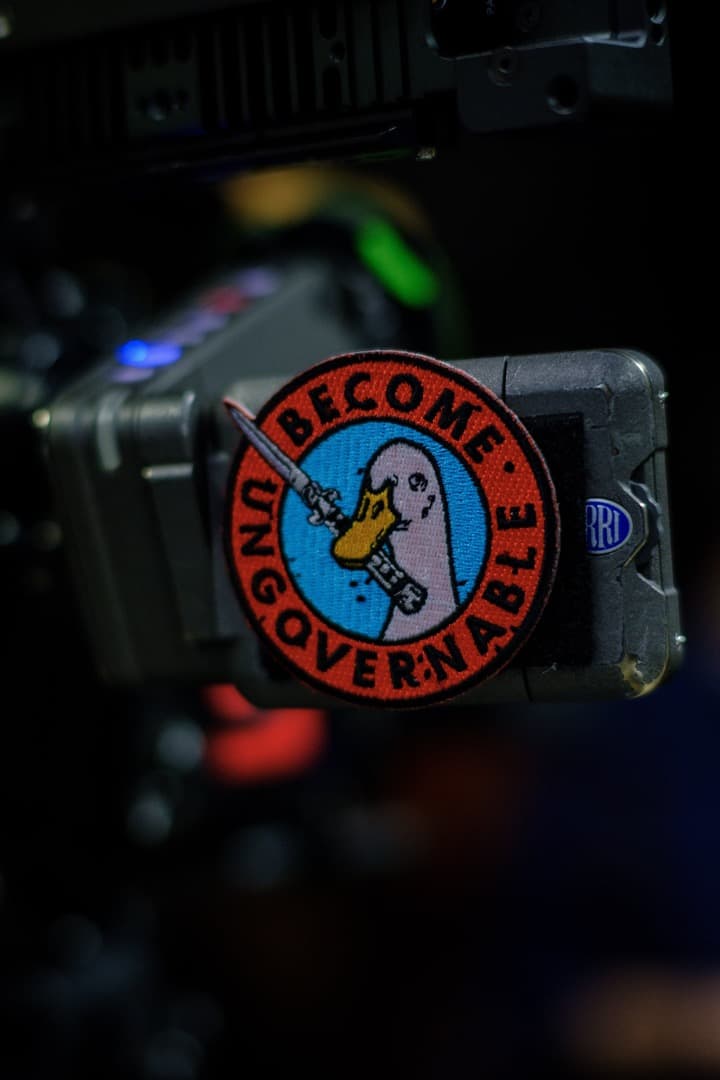
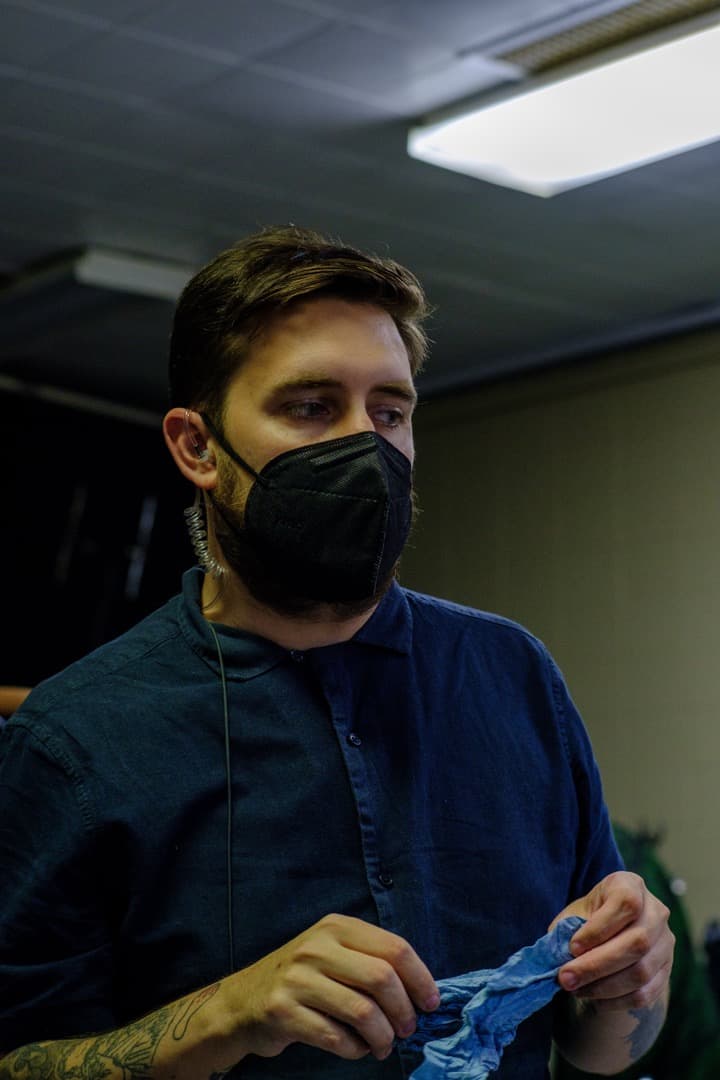
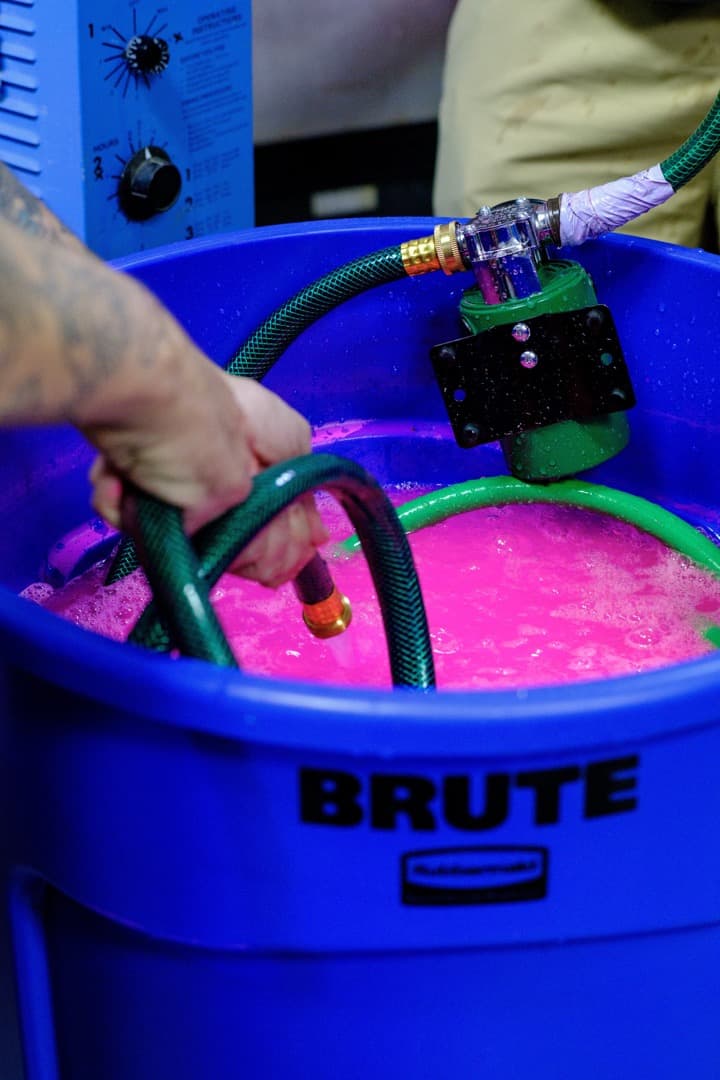
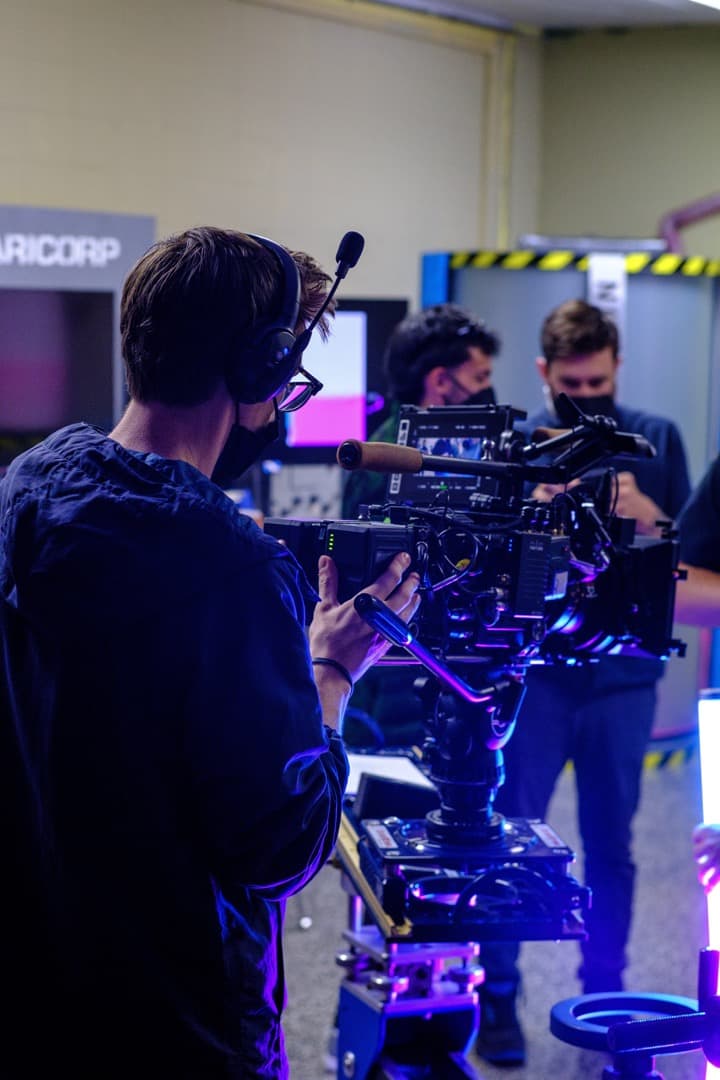
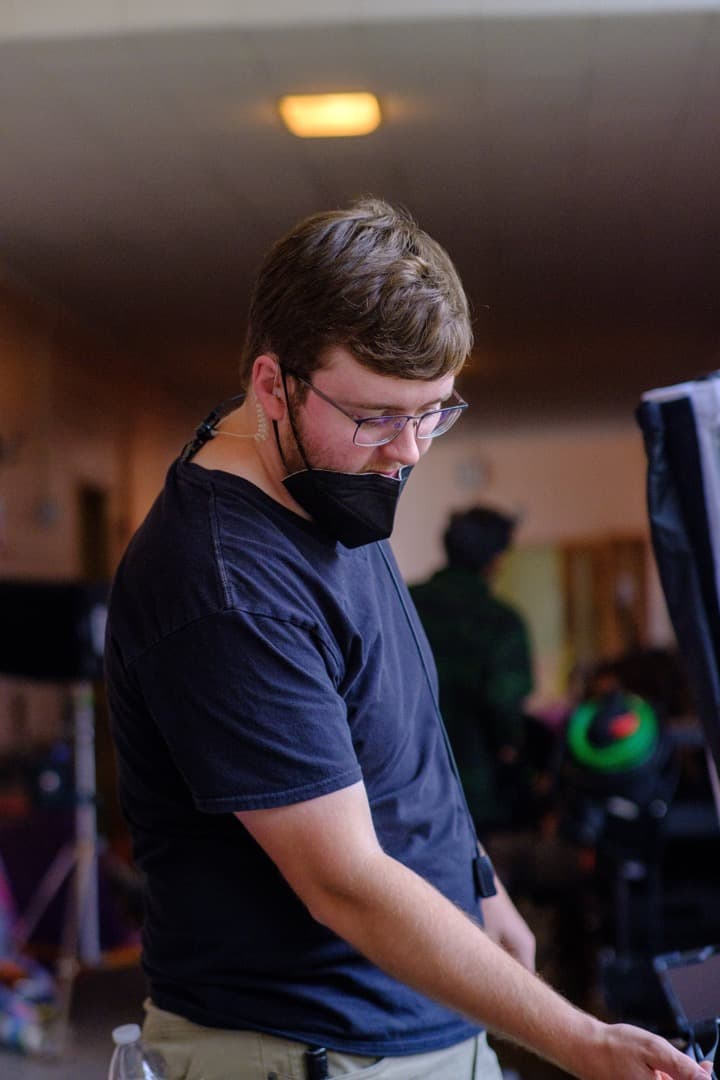
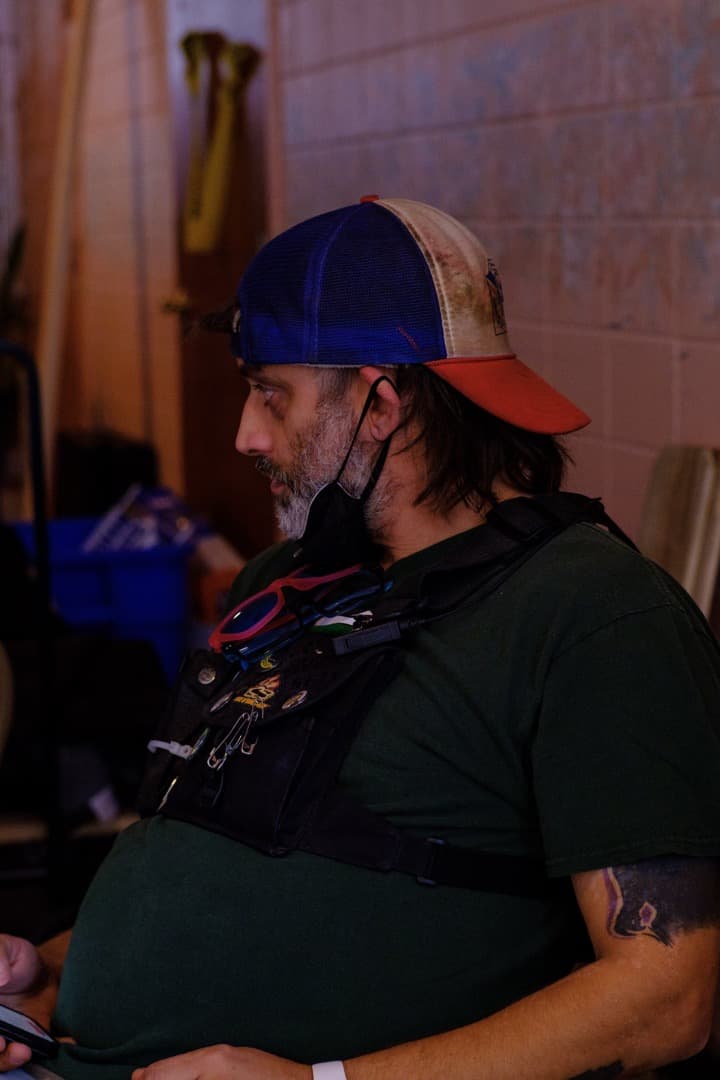
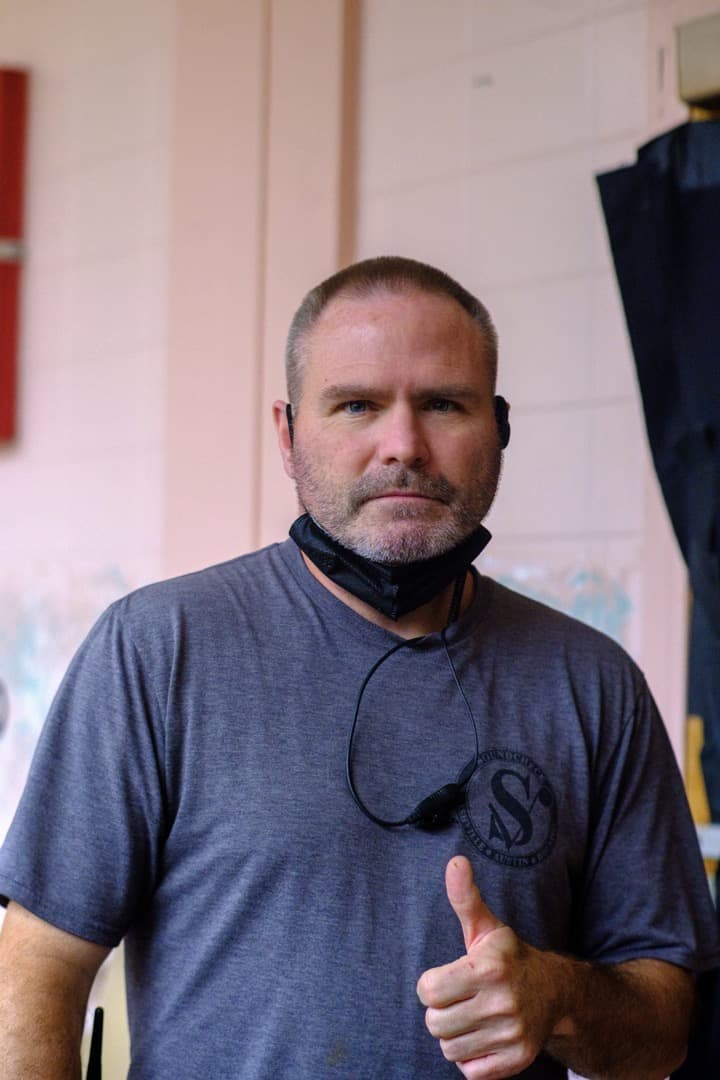
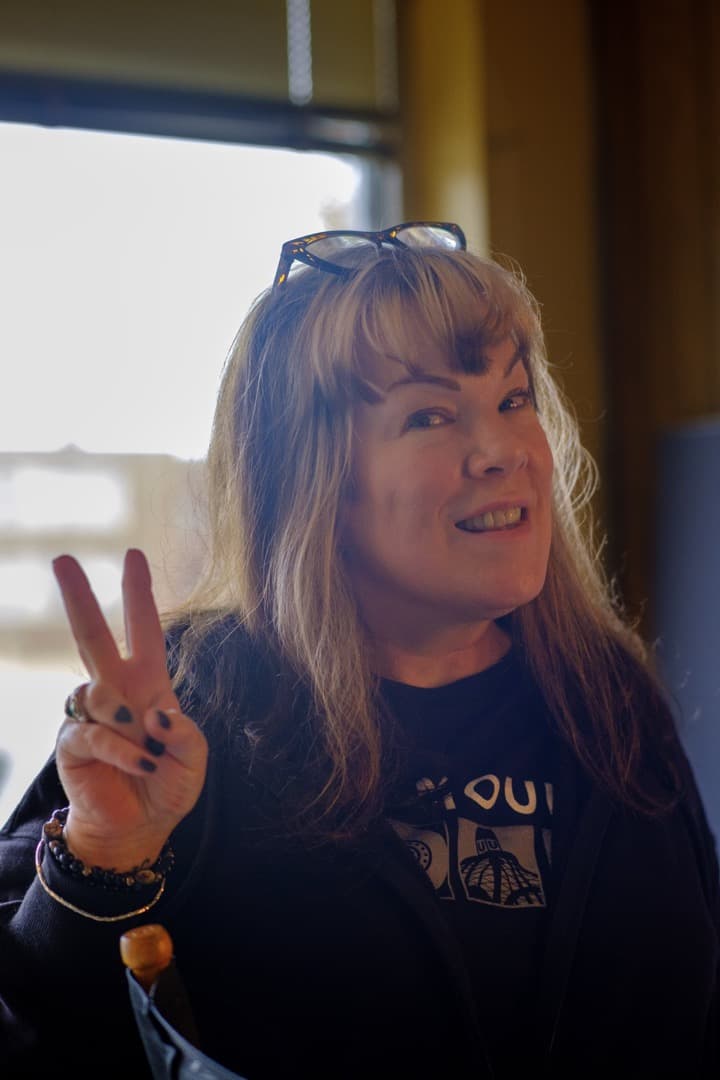
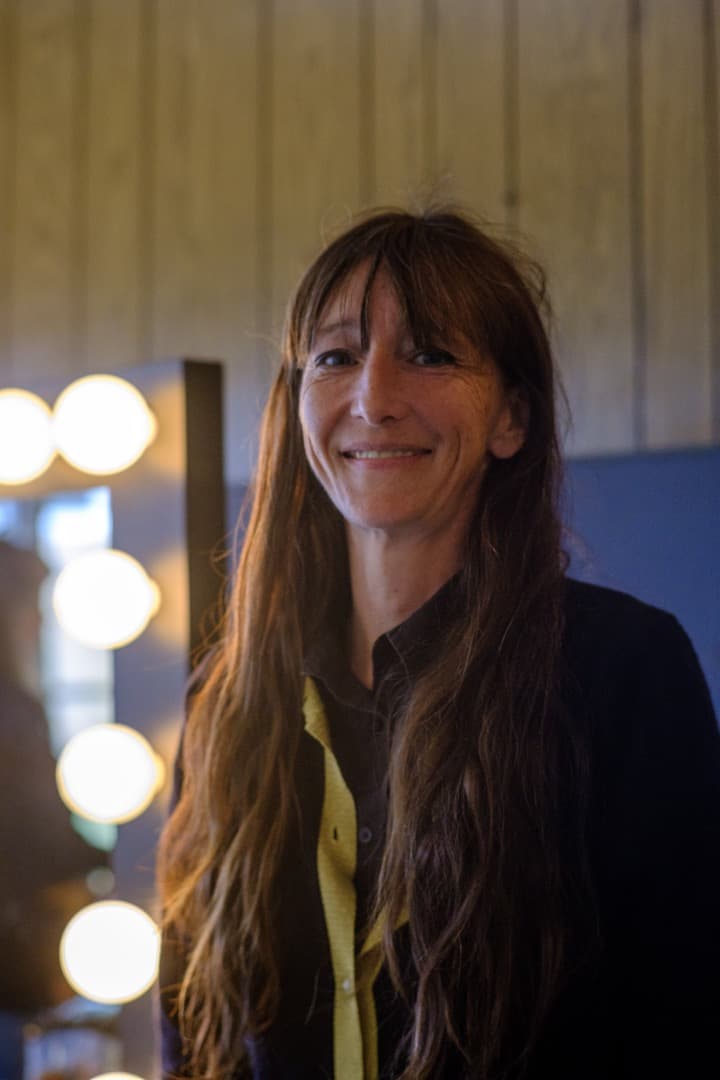
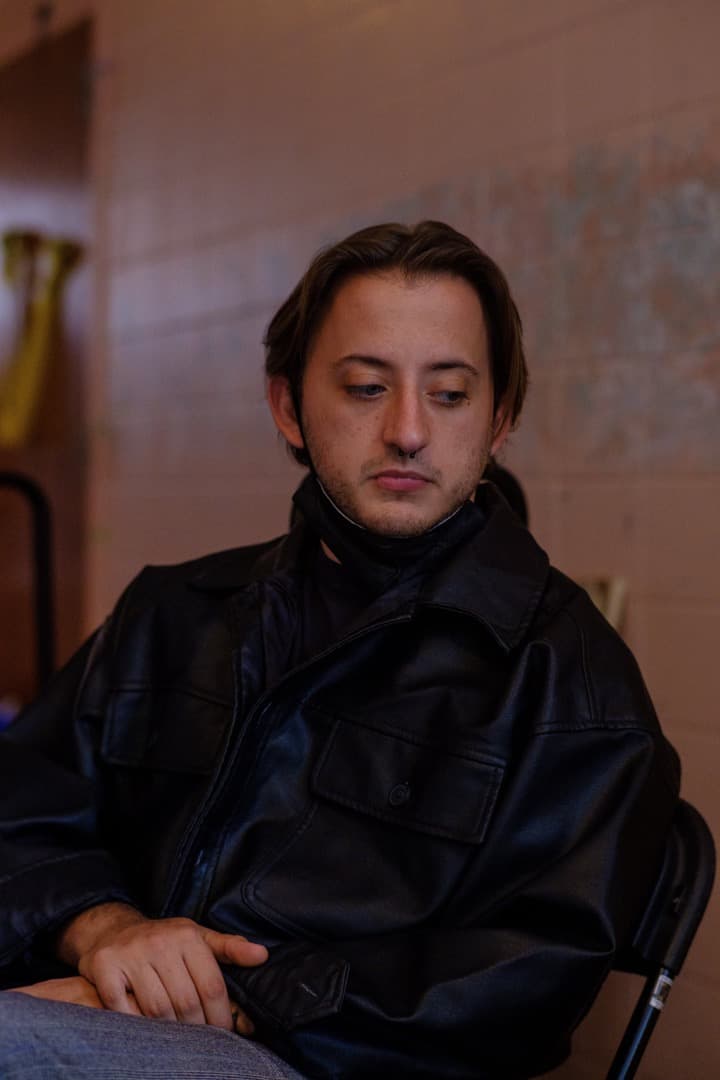
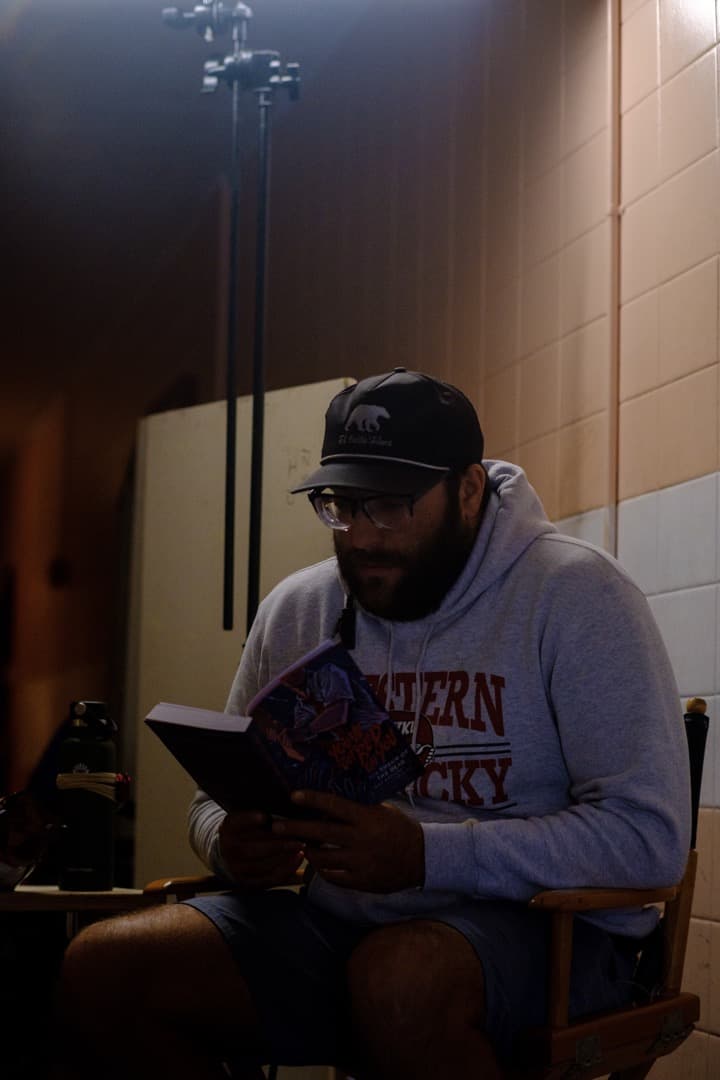
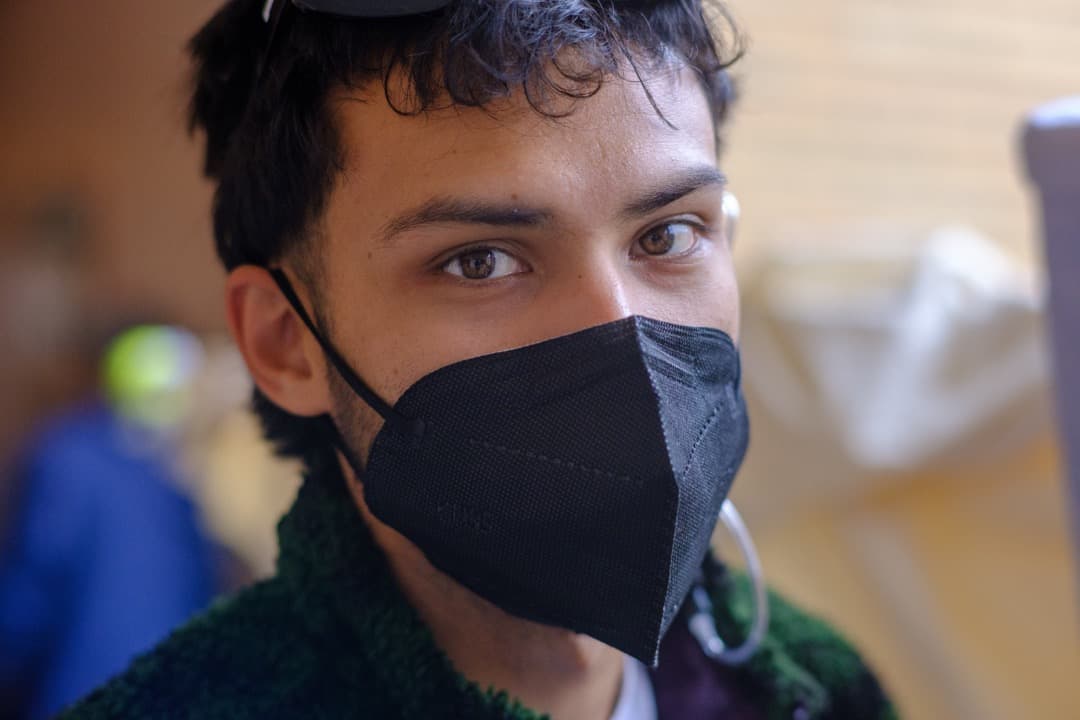
Scroll horizontally to view all photos • Click any photo to view in full size
View Production StillsProduction Notes
Read exclusive production notes, filmmaker journals, and insights from the making of CLONE COPS.
From Props to Director: Danny Dones' Directorial Debut
After fifteen years working as a propmaster on film and television projects, Danny Dones stepped behind the director's monitor for the first time with CLONE COPS. This transition from supporting role to creative leader represents a significant milestone in independent filmmaking, demonstrating how years of on-set experience can inform a director's vision.
Dones' background in props proved invaluable during production, as his deep understanding of practical effects, set design, and visual storytelling informed many creative decisions. His experience working with directors, cinematographers, and production designers gave him unique insights into the collaborative nature of filmmaking, which he brought to his directorial approach. The film features loving nods to the classic science fiction, horror, and comedy films that inspired him as a small-town kid, creating a work that honors genre traditions while establishing his own directorial voice in the indie sci-fi comedy landscape.
Making Sci-Fi on a Shoestring: The $300,000 Challenge
Creating a feature-length sci-fi action comedy with practical effects, multiple camera setups, and professional post-production on a $300,000 budget required creative problem-solving at every turn. HiPhi Productions, the Nashville-based production company behind CLONE COPS, leveraged strategic partnerships, local talent, and innovative techniques to maximize every dollar while maintaining the high production values audiences expect from sci-fi films.
Key strategies included utilizing a multi-camera approach with the ARRI Alexa Mini, RED Komodo 6K, and GoPro Hero 11 Black to capture maximum coverage efficiently, working with award-winning practical effects artist Rick Prince to create memorable practical effects, and partnering with Nashville-based post-production facilities like Seismic Sound for professional audio services. The three-week principal photography schedule, combined with digital compositing for complex Clone Cop sequences, allowed the team to deliver a visually impressive indie sci-fi film that proves ambitious genre projects are achievable on independent budgets with the right planning and creative vision.
Nashville's Film Community Comes Together
CLONE COPS represents a true collaboration of Nashville's growing film community, bringing together local talent, facilities, and resources to create a feature-length indie sci-fi comedy. From Phillip Cordell's Nashville-based production company HiPhi Productions to Seismic Sound's post-production audio services, the film showcases Music City's expanding capabilities as a film production hub.
The production benefited from Nashville's deep pool of creative talent, including cinematographer Corey Allen, whose work has been featured on major networks and publications, and composer Christopher Gentle, who created the original score. This collaborative effort demonstrates how regional film communities can support ambitious independent projects, providing a model for other filmmakers looking to create genre films outside traditional production centers. The success of CLONE COPS at GenCon 2024, where it won Best Comedy Feature Film, validates Nashville's position as a viable location for independent film production.
Filmmaker Insights
Hear directly from the cast and crew about their experiences making CLONE COPS.
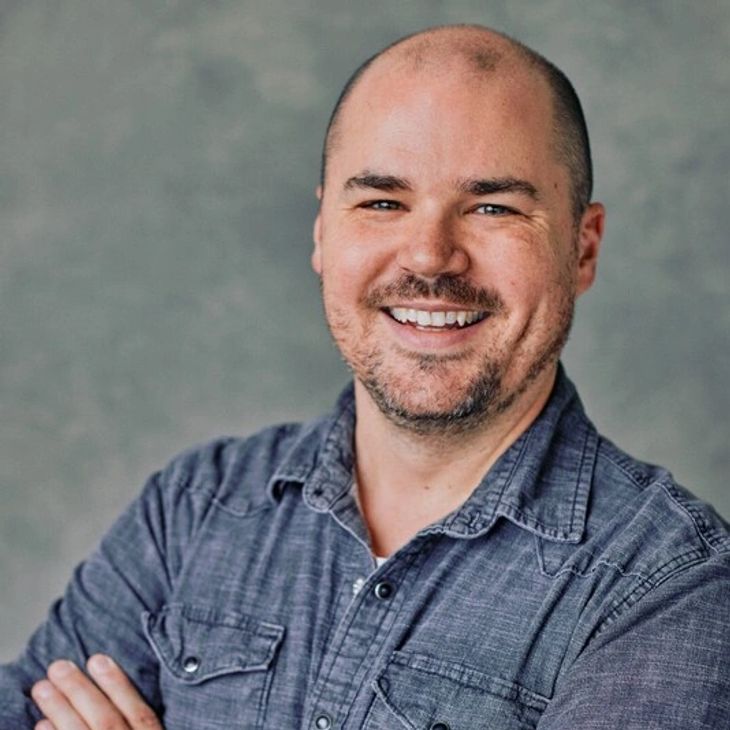
"Clone Cops started as a wild idea and turned into the most creatively freeing project I've ever worked on. We pushed boundaries, took real risks, and made something that feels unapologetically us."
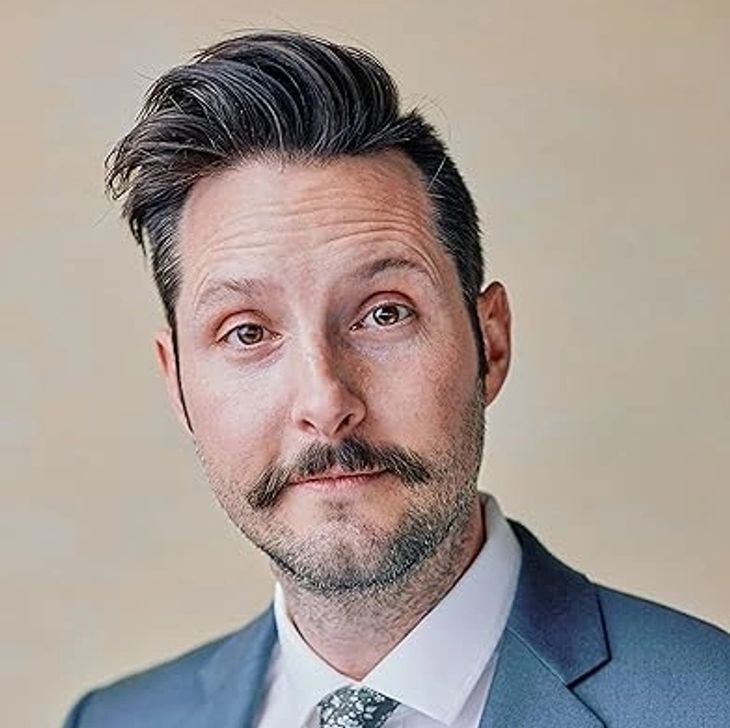
"This film was built on trust, chaos, and a lot of late nights. Clone Cops reminded me why I love indie filmmaking... when everyone commits fully, you can make something truly unexpected."
.jpg)
"Clone Cops was about embracing limitations and turning them into style. Every frame was a creative problem to solve, and that energy is baked into the final film."
Fun Facts & Trivia
Discover interesting facts, trivia, and behind-the-scenes secrets from CLONE COPS.
Three-Week Production Schedule
Principal photography for CLONE COPS began on October 10, 2022 in Nashville, Tennessee, and wrapped just three weeks later on October 28, 2022. This efficient production schedule demonstrates the team's ability to deliver a feature-length sci-fi comedy film on an indie budget while maintaining high production values.
100% Nashville Filming
All principal photography for CLONE COPS was completed entirely in Nashville, Tennessee, showcasing the city's growing reputation as a hub for independent film production. The production utilized various locations throughout Music City to create the film's distinctive sci-fi world.
GenCon 2024 World Premiere & Award
CLONE COPS made its world premiere at GenCon 2024, one of the largest tabletop gaming and pop culture conventions in the world. The film won Best Comedy Feature Film at the festival, recognizing the film's unique blend of sci-fi action and comedy.
Award-Winning Practical Effects
The practical effects in CLONE COPS, including the memorable Bruiser face-in-chest effect, Disfigured Clones, and Clone carnage sequences, were created by award-winning special effects artist Rick Prince. Prince, known for his work on Puppet Master: The Littlest Reich and as a standout competitor on SyFy's Face Off, brought his expertise in practical effects to enhance the film's visceral sci-fi elements.
Digital Compositing for Clone Cops
Many scenes filmed later in production featuring more than four Clone Cops on screen utilized digital compositing techniques. This creative solution was necessary due to the limited number of Clone Cop helmets available and the time required to repair damaged ones during the fast-paced three-week production schedule, demonstrating the team's resourcefulness in indie filmmaking.
"I Live in Space, Byeeeeeee!"
One of the first scenes filmed during production included a line reading of Robert Nefari's iconic line, "I live in space, byeeeeeee!" delivered by 1st AD Nate Eggert as a placeholder. The line was so catchy that the cast and crew would regularly repeat it when leaving throughout all three weeks of production. The role was ultimately played on screen by Ravi Patel, who was cast and filmed later in the production schedule.
Technical Details
Explore the technical aspects of bringing CLONE COPS to life.
Camera Equipment
The cinematography for CLONE COPS utilized a professional multi-camera setup to capture the dynamic action and sci-fi elements of the film. The primary camera was the ARRI Alexa Mini, a cinema-grade digital camera known for its exceptional image quality and color science, serving as the A Camera for principal photography. The B Camera was the RED Komodo 6K, providing high-resolution capture capabilities and flexibility for action sequences. For unique perspectives and immersive shots, a GoPro Hero 11 Black served as the C Camera, allowing the team to capture dynamic point-of-view shots and tight spaces.
The lens package featured Atlas Orion Anamorphic lenses, which gave the film its distinctive widescreen cinematic look with beautiful lens flares and bokeh effects that enhanced the sci-fi aesthetic. Additionally, the production utilized an Angenieux 17-102mm Zoom lens, providing versatility for various shooting scenarios and allowing for smooth focal length adjustments during complex action sequences.
Sound
Post-production audio services for CLONE COPS were provided by Seismic Sound, Nashville's premier audio for video facility. Located in the Skyway Studios facility in Nashville, Tennessee, Seismic Sound delivered professional sound design, dialogue editing, mixing, and mastering services for the film.
The sound design for CLONE COPS was an extensive undertaking, incorporating over 1,900 unique audio files to create the immersive sonic landscape of the film. From the mechanical sounds of the Clone Cops to the ambient textures of the sci-fi world, every audio element was carefully crafted to enhance the viewing experience.
The original score was composed by Christopher Gentle, who created a dynamic musical backdrop that perfectly complemented the film's blend of action, comedy, and science fiction elements. The score enhances the emotional beats and adds to the overall cinematic experience of CLONE COPS.
Post-Production
The post-production workflow for CLONE COPS utilized industry-standard professional software to bring the film from principal photography to final delivery. The film was edited in Adobe Premiere Pro, providing the editing team with powerful tools for assembling the narrative and managing the multi-camera footage from the ARRI Alexa Mini, RED Komodo, and GoPro cameras.
Color grading was completed in DaVinci Resolve, Blackmagic Design's professional color correction and grading software, which allowed for precise color manipulation and the creation of the film's distinctive visual palette. All final deliverables, including digital cinema packages (DCPs), were created using DaVinci Resolve and DCP-o-matic, ensuring the film met industry standards for theatrical and digital distribution across multiple platforms.
Visual Effects
The visual effects for CLONE COPS were handled by a single VFX artist, Charles Royce, who served as the VFX Supervisor for the production. Despite the indie budget constraints, Royce delivered professional-quality visual effects that enhanced the sci-fi elements of the film, including the replication effects for the Clone Cops and various other VFX elements throughout the production.
Royce utilized industry-standard tools and resources to create the visual effects, working primarily in Adobe After Effects for compositing and motion graphics. To enhance efficiency and maintain professional quality, the VFX pipeline incorporated libraries from ActionVFX, a leading provider of stock VFX elements, which helped create realistic effects while staying within the production's budget. This approach demonstrates how indie filmmakers can achieve high-quality visual effects through creative problem-solving and strategic use of professional tools and resources.